A personalized hospice care plan details medications, pain management, supportive services, and the hospice team members involved in care. Developed in collaboration with the patient, family, and care team, it evolves over time to keep care consistent, responsive, and centered on comfort. We commonly design care plans to support patients with the following conditions:
CLICK HERE FOR 2026 GRIEF SUPPORT GATHERINGS
In-Person Grief Support Meetings
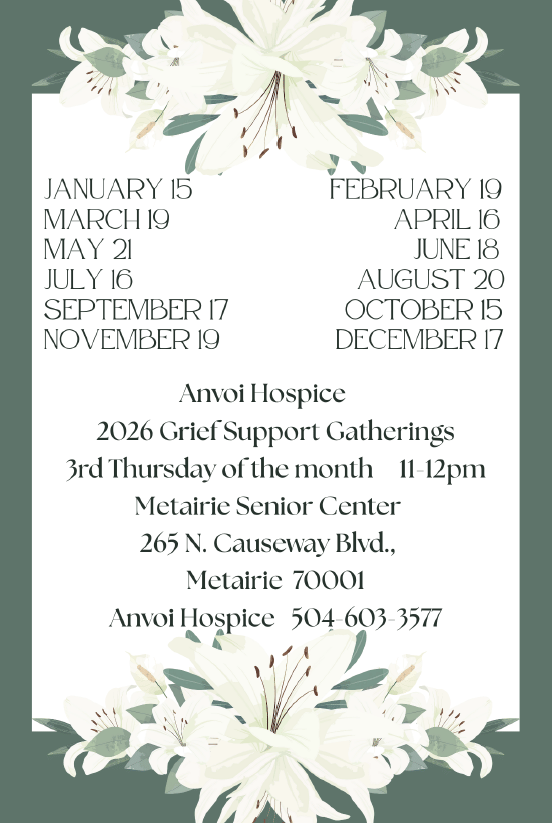
(available in Louisiana only).

Hospice Care in Slidell, Louisiana
Families in Slidell often search for hospice care that feels supportive, steady, and rooted in the values of their local community. Anvoi Hospice provides this level of care through a thoughtful blend of clinical expertise and genuine compassion that helps families navigate one of life’s most delicate transitions. Our team understands the importance of creating comfort in familiar surroundings, and this awareness has made us a trusted resource for hospice care in Slidell and throughout St. Tammany Parish.
Slidell’s population includes many retirees, long-time residents, and families who appreciate strong community ties. The city’s proximity to Lake Pontchartrain, its network of neighborhoods, and its close relationship with major hospitals and clinics across the Northshore shape how residents approach caregiving. Anvoi Hospice incorporates this local context into personalized care plans designed to reduce stress, manage symptoms, and help families spend meaningful time together.

A Message from Your Care Team
Hospice Care
Hospice Care Designed for Slidell’s Northshore Community
Slidell offers a unique blend of suburban comfort, natural landscapes, and close community relationships. Neighborhoods such as Eden Isle, Olde Towne, and Huntwyck each have their own character, and our care teams understand how these environments influence the daily rhythm of caregiving. This familiarity allows Anvoi Hospice to provide compassionate support that aligns with the lifestyle and expectations of families across the area.
Residents of Slidell often have strong ties to faith communities, local volunteer groups, and multigenerational family networks. These connections play an important role in how families experience end of life care. Our approach honors these relationships by facilitating communication, respecting personal beliefs, and providing care that blends clinical precision with emotional understanding.

Our Personalized Hospice Care Plans
-
Failure to Thrive
-
Frequent Infections
-
Kidney Failure
-
Parkinson's
-
Sepsis

In-Home Hospice Care That Supports Daily Life
In-home hospice care allows patients to remain in the comfort of their own homes, whether they live near the waterfront in Lakeshore Estates or in quiet communities off Gause Boulevard. This local focus makes it easier for patients to stay connected to the people and surroundings that matter most. Anvoi Hospice visits these homes regularly to provide symptom management, emotional support, and spiritual guidance tailored to each patient’s condition.
Families appreciate the way our care structure reduces stress, especially as symptoms change or decisions become more complex. Nurses offer clear explanations and timely adjustments to care plans, which helps cultivate stability for both patients and caregivers. This approach encourages more meaningful interactions and promotes a peaceful environment throughout the care journey.

Key Services Provided Through Hospice Care
Hospice care includes multiple specialized services that work together to improve comfort and reduce burdens for both patients and families. Each service focuses on a specific area of need and is delivered by a trained professional who understands the emotional and medical challenges of serious illness.
- Symptom and pain management that adapts as conditions progress
- Emotional and psychosocial support for patients and caregivers
- Spiritual guidance that aligns with personal beliefs and community traditions
- Delivery and setup of medical equipment and supplies in the home
These services function together to create a strong foundation of comfort, clarity, and support during a meaningful stage of life.
Our Services
What We Provide
We genuinely care for our patients and their families. Each patient receives:
- Care wherever you call home
- Consistent weekly nurse visits
- Respite for caregiver relief
- Crisis care
- A unique personalized plan of care
- Bereavement and emotional support
- Physician oversight
- 24 hour on-call nurse
- Volunteer program
- Medical equipment and supplies
- Medication for pain management and symptom control


Local Expertise Serving Slidell and St. Tammany Parish
Anvoi Hospice has extensive experience supporting families across St. Tammany Parish. Slidell’s unique connection to both Louisiana and Mississippi, combined with its position as a major entry point to the Northshore, shapes how healthcare services are delivered in the region. Our care teams understand these dynamics and tailor their approach accordingly to ensure dependable and responsive service.
Transitions from hospital care to hospice often involve facilities such as Ochsner Medical Center Northshore or Slidell Memorial Hospital. We coordinate closely with local physicians and discharge planners to create smooth transitions for families who may be facing overwhelming decisions. This collaboration ensures patients receive immediate support once they return home and begin hospice care.
Support for Chronic Illnesses Common
Many Slidell residents face chronic health conditions that may eventually require hospice care, including cardiac illness, cancer, dementia, Alzheimer's, ALS, heart disease, respiratory diseases like COPD, and complications from diabetes. These conditions often require comprehensive symptom management, emotional support, and guidance for family caregivers. Anvoi Hospice develops individualized care plans that address these needs with sensitivity and flexibility.
Slidell’s community fabric includes families who value both independence and close involvement from loved ones. Our care plans help caregivers remain confident in their role by offering clear communication, practical tools, and support services that reduce uncertainty. This guidance helps everyone involved feel prepared as they navigate changes in the patient’s condition.
Coordination With Local Medical Providers
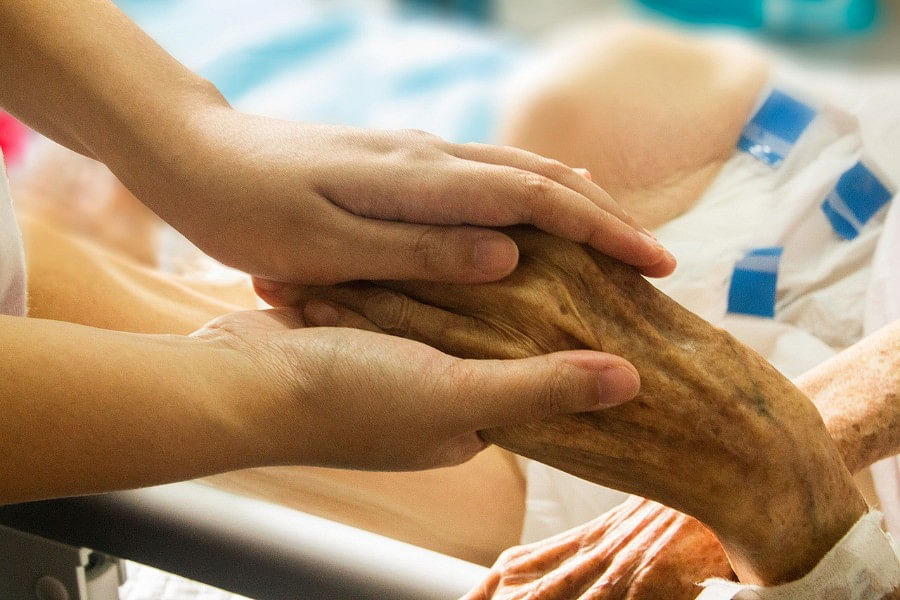
Slidell’s healthcare network includes hospitals, specialty clinics, and long-term care facilities that play essential roles in patient transitions. Our team maintains open communication with these providers to make sure families receive consistent information and coordinated care. This connection helps reduce stress during the transition from active treatment to comfort-focused care.
Once hospice begins, our team responds quickly with initial assessments and equipment delivery. This preparedness helps families begin the hospice process with confidence and reassurance. Early visits focus on understanding immediate needs, building trust, and creating a sense of stability in the home.

The Benefits of Choosing a Local Hospice Provider
Selecting a local hospice provider creates several advantages for families in Slidell. Familiarity with the Northshore area helps our team anticipate logistical challenges, understand neighborhood differences, and respond quickly when needs arise. These benefits allow us to deliver care with a personal touch that is often difficult for non-local providers to match.
Caregivers also appreciate how easy it is to reach our team with questions or concerns. Local presence strengthens communication, promotes consistent support, and helps ease the emotional strain often experienced during this time. These elements come together to make hospice care more manageable and comforting for everyone involved.
Team Members
Who Will Be on Your Hospice Team?
Your hospice team may include any of the following:



Looking for a career in hospice?

Steps for Beginning Hospice Care in Slidell
Families often feel more at ease when they understand how the hospice process begins. The steps below outline the typical transition and help create a clear path forward.
Consultation and Assessment
Our team meets with the patient and family to learn about medical history and personal preferences.
Eligibility Determination
Hospice clinicians review the patient’s condition to confirm qualifications for hospice care.
Personalized Care Plan
A customized plan outlines physical, emotional, and spiritual support tailored to the patient’s needs.
In Home Care Begins
Nurses, aides, and support staff begin regular visits, and necessary medical equipment is delivered to the home.
This step-by-step process simplifies the transition and helps families feel supported from the very beginning.
Emotional and Spiritual Support for Slidell Families
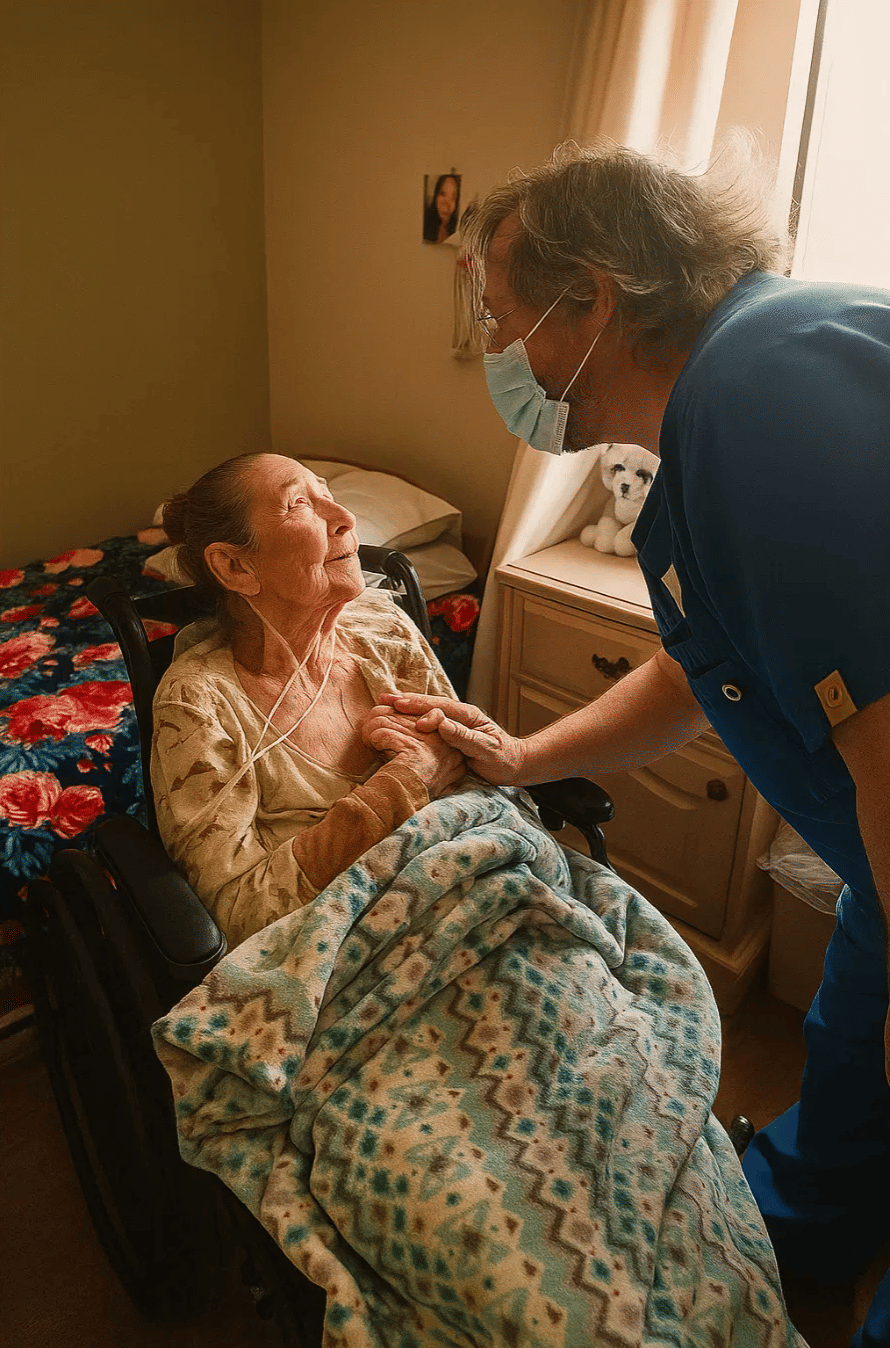
Slidell’s strong network of churches, faith communities, and long-standing family ties influences how emotional and spiritual care is approached. Many families lean on their beliefs for comfort, which makes spiritual support a meaningful part of hospice care. Our chaplains and counselors offer guidance that respects each family’s traditions and provides space for reflection, healing, and connection.
Emotional support for caregivers is equally important, especially for relatives juggling full-time jobs, personal responsibilities, and caregiving demands. Counseling services help reduce stress, encourage healthy communication, and create a calmer environment for everyone involved.
Why Families Across Slidell Trust Anvoi Hospice
Anvoi Hospice has built strong relationships throughout Slidell by focusing on compassionate care, dependable communication, and a deep understanding of local needs. Our commitment to personalized support and clinical excellence helps families feel confident in the care their loved one receives. Each plan is built around the patient’s goals, the family’s preferences, and the cultural values that make Slidell feel like home.
Families appreciate our ability to adapt to changing conditions, respond quickly to concerns, and provide guidance that brings clarity during uncertain moments. These qualities have helped make Anvoi Hospice a trusted choice for hospice care in Slidell.
A Louisiana Company Serving our Community
Anvoi Hospice provides quality hospice care to patients across many cities in Louisiana including:
Contact Our Hospice Team in Slidell
Frequently Asked Questions
A growing number of hospice programs have their own hospice facility or have arrangements with nursing homes, hospitals or inpatient residential centers that care for people who cannot be cared for at home. However, the cost to live in these settings may not be fully covered by your insurance, so it is best to find out if insurance covers this type of care before you call hospice.
Every person receiving hospice has access to a registered nurse, social worker, hospice aide, and chaplain (also known as the interdisciplinary team) and volunteers. The hospice team will work with you and your family to create a plan of care that will outline the actions and goals for your hospice care. All visits are based on you and your family’s needs in the care plan and your medical condition during the course of the illness. The frequency of volunteers and spiritual care is often dependent upon request and the availability of these services. Travel requirements and other factors may cause some variation in how many individuals each hospice staff serves.
The hospice team visits on an intermittent basis. This team includes physicians, nurses, social workers, hospice aides, chaplains and other specially trained care providers. The frequency of visits is determined by the patient’s needs. A hospice RN is on call 24 hours a day/7 days a week to answer questions and provide support. After hours visits are made as needed.
As the patient, it is your right, or the right of your decision maker, to determine when hospice care is right for you and which agency you would like to use. Others may recommend agencies for you to consider, but it is up to you to make the final decision. Not all hospice providers are the same, and it is important to receive the care that best fits your desires and needs.
You can stop hospice services at any time and for any reason. You can change your mind and resume aggressive treatment. Then if you wish to return to hospice care later, you can do so as long as you meet the medical hospice admission requirement.
Hospice makes the patient’s quality of life the focal point of care. Hospice professionals are trained to provide care and treatments that lessen the patient’s pain and other symptoms. Hospice strives to decrease the burden of medical treatment when such measures would not improve the patient’s quality of life. For some patients, this may mean decreasing the number of medications taken for chronic conditions.
Receiving hospice does not mean that death is imminent. Studies have shown that patients who elect hospice care earlier often live longer than those who continue to receive curative treatment. Hospice care is designed for patients who have a life expectancy of approximately six months or less. However, as long as the patient continues to meet hospice requirements, they may continue to receive services – even if this is longer than six months.
Urinary tract infections (UTIs) affect the urinary system, affecting the bladder and kidneys. They can be occasional inconveniences or recurrent nightmares. Anvoi provides information on why some individuals face repeated UTIs and how to reduce their frequency and manage symptoms.
Hospice services can be provided to a person who has a life-limiting illness wherever that person lives. This means a person living in a nursing facility or long-term care facility can receive specialized visits from hospice nurses, hospice aides, chaplains, social workers, and volunteers, in addition to other care and services provided by the nursing facility. The hospice and the nursing home will have a written agreement in place in order for the hospice to serve residents of the facility. The Medicare Hospice Benefit will cover the care related to your terminal illness, but it does not cover daily room and board charges of the facility. If you are eligible for Medicaid, Medicaid will cover room and board charges.
Many families wait to call hospice until the final days and weeks of their loved one’s life, not knowing they could have started receiving additional specialized nursing care and medications, medical equipment, and supplies related to their loved one’s terminal illness at no cost much earlier. Hospice care improves the patient’s quality of life by managing pain and other symptoms and improves the family/caregiver’s lives by having someone that they can lean on, seek guidance from and receive much-needed support during this difficult time.
Each person’s end-of-life experience is unique, as it is influenced by such factors as the specific illness, medications being taken, and the person’s overall health. In some cases, these changes may occur over a period of weeks; for others, the process lasts just a few days or hours.
However, a number of end-of-life changes are fairly common, as a person’s bodily functions naturally slow and stop. The following changes are often signs of this process, though not every patient exhibits all of these end-of-life signs.
• Less interest in eating or drinking. The person may only need enough liquid to keep his or her mouth from becoming too dry. How to help: Offer, but don’t force, food, liquids, and medication. In some instances, the person may no longer feel pain he or she had previously felt.
• Not passing fluids regularly. As bodily functions decline and the person eats and drinks less, their output of fluids will also decrease. How to help: Do nothing. However, if the patient is not passing fluids but feels the urge to do so, contact their nurse for advice.
• Speaking and moving less. Activity usually decreases significantly in one’s final days and hours. People may not respond to questions and show little interest in their surroundings.Hospice care may be considered for anyone doctors believe to have a life expectancy of less than six months. Usually at this point, active treatment aimed at recovery stops and hospice care is initiated. Hospice care focuses on producing the best possible quality of life in the patient’s remaining time.
Different diseases and conditions each have their own guidelines for hospice admission. The most common of these diseases or conditions include ALS, cancer, dementia, heart failure, HIV, kidney disease, liver disease, lung disease, Parkinson’s disease, stroke and coma. Sometimes a patient does not “fit” into the guidelines but still has a life expectancy of six months or less and therefore may be eligible for hospice.
In order to be eligible to elect hospice care under Medicare, an individual must be entitled to Part A of Medicare and certified as being terminally ill by a physician and having a prognosis of 6 months or less if the disease runs its normal course.• Medicare covers hospice care costs through the Medicare Hospice Benefit. See Medicare For More Info
• Veterans' Administration (VA) benefits also cover hospice care. See Va.gov For More Info
• The coverage of hospice care by Medicaid is optional and varies by state. See Medicaid For More InfoIn addition to Medicare and Medicaid, most private insurance plans, HMOs, and other managed care organizations recognize the value of hospice care and include hospice coverage in their plans. Additionally, some hospices provide charity care to patients who do not have insurance coverage or the ability to pay for their care.
Hospice redefines hope and helps patients and their families reclaim the spirit of life. Hospice care focuses on improving the patient’s quality of life allowing them to make the most of the time they have.
Palliative care is a specialized approach to medical care that focuses on improving the quality of life for individuals facing serious illnesses, regardless of whether those illnesses are considered curable or not. Learn more about palliative care.
Testimonials
What People Are Saying
Our interdisciplinary team of physicians, nurses, social workers, chaplains, volunteers, and other medical professionals are trained to provide physical, emotional, social, and spiritual support to patients and their families. We’ve helped countless individuals through difficult times.
See Our Blog


Choose Anvoi Hospice for Compassionate Hospice Care in Slidell
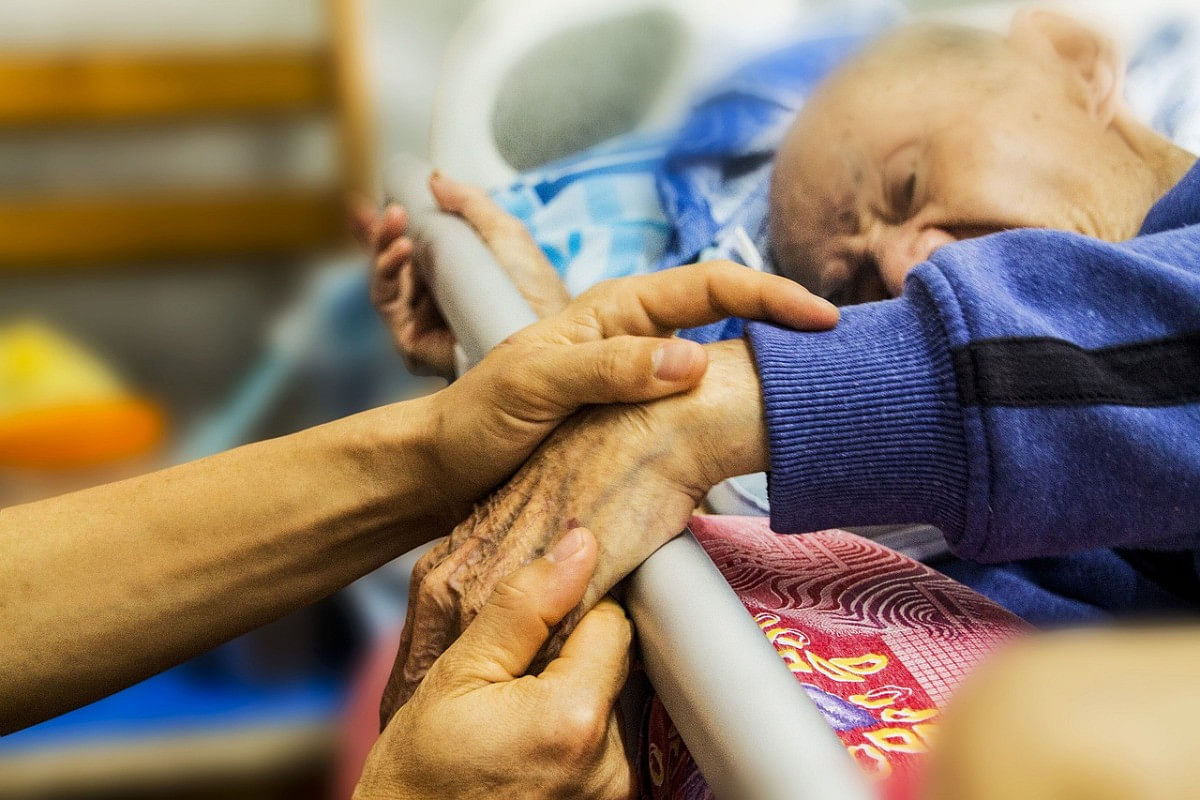
Hospice care becomes one of the most meaningful decisions a family makes, and choosing a provider who understands the community can make the journey more peaceful and supportive. Anvoi Hospice serves Slidell with a commitment to comfort, dignity, and personalized care that brings stability during a sensitive time. Contact our team today to learn how our hospice services can support your family and provide compassionate care throughout this important stage of life.
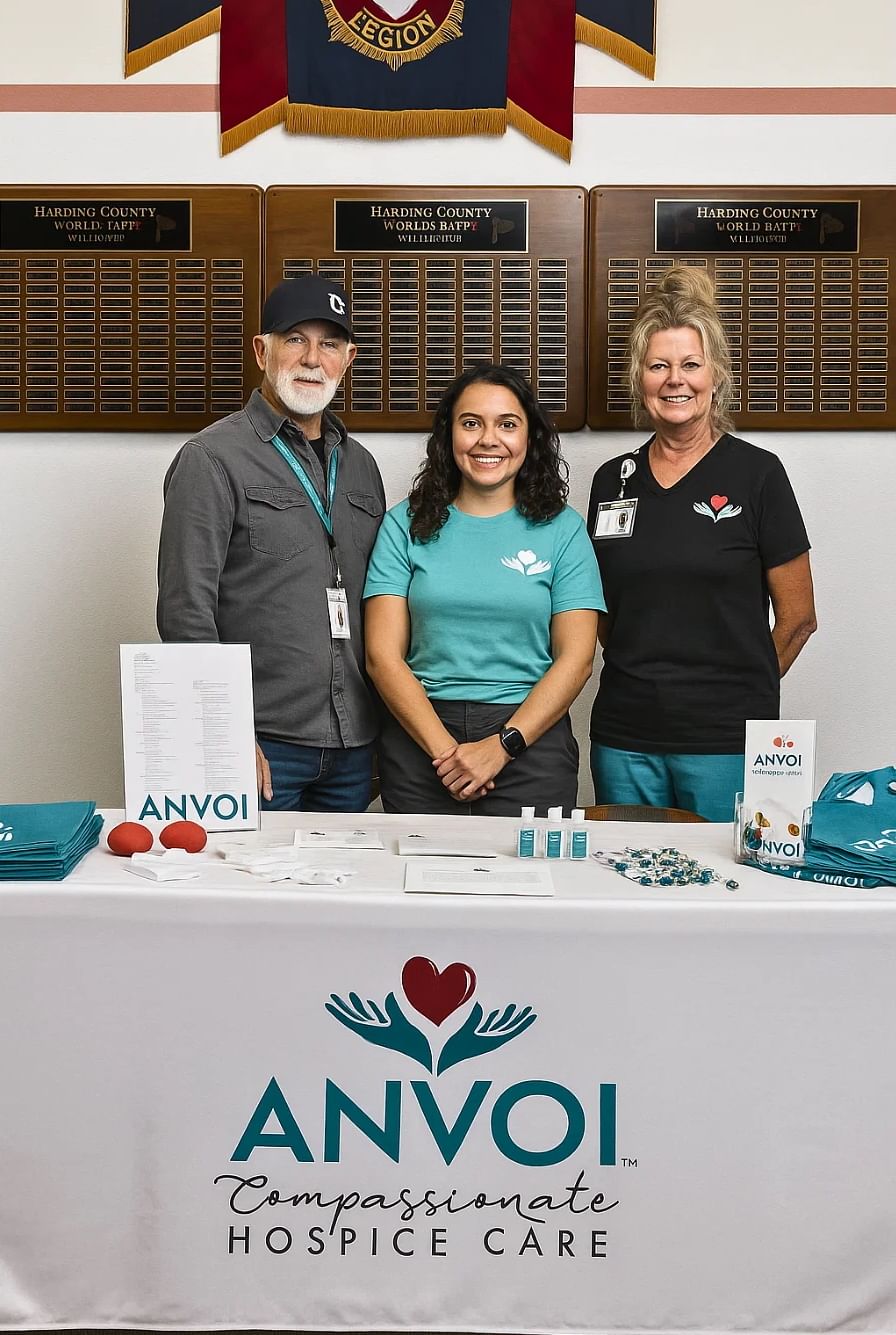

Anvoi has been providing hospice care since 2013 with over 100 years of accumulated experience.