CLICK HERE FOR 2026 GRIEF SUPPORT GATHERINGS
In-Person Grief Support Meetings
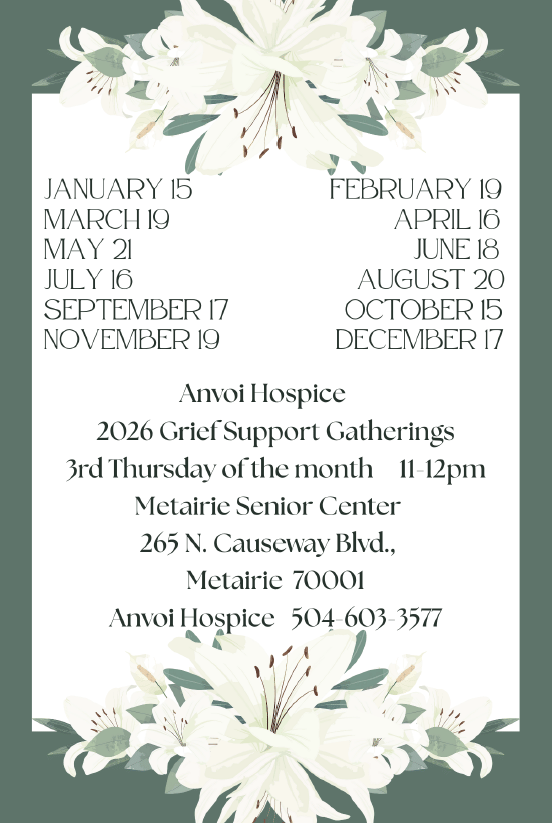
(available in Louisiana only).

Hospice for Dementia: Compassionate Care When Memory Changes
Families facing dementia deserve clear guidance, steady support, and a care plan that focuses on comfort while honoring daily routines. Hospice for dementia centers on quality of life in the late stages of the disease, bringing expert clinicians, practical resources, and emotional support directly to the place a person calls home. Anvoi cares for individuals and families across Louisiana, New Mexico, and Mississippi, where strong caregiving traditions meet a deep respect for elders and community. Our role is to make each day safer, calmer, and more meaningful, while easing the weight families often carry alone.


Who Qualifies for Dementia Hospice?
Eligibility for dementia hospice generally relies on a physician’s clinical judgment that life expectancy is six months or less if the illness follows its typical course. Teams often look for advanced disease indicators such as total dependence with bathing, dressing, eating, and mobility, along with complications like weight loss, infections, or difficulty swallowing. This guidance applies to Alzheimer’s disease as well, which is a common cause of dementia requiring hospice consideration. These signs guide recommendations, although every person’s journey is unique and requires a comprehensive assessment that considers function, nutrition, and overall decline.
Anvoi coordinates closely with the patient’s primary physician and specialists to document changes over time, which helps families feel confident about the timing of hospice. Care plans align around personal goals that may include comfort, familiar surroundings, and minimal disruption to daily life. Families appreciate that eligibility discussions are handled with sensitivity and clarity, reducing the uncertainty that often surrounds late-stage dementia decisions.
5 Signs It May Be Time for Hospice
Families often sense a shift before they can name it, noticing that once-manageable routines have become overwhelming. The following signs commonly prompt a hospice conversation, especially when several occur together over a short period:
1) Noticeable weight loss, poor appetite, or frequent choking or coughing during meals
2) Repeated infections, new pressure injuries, or multiple emergency visits for similar concerns
3) Significant changes in speech, mobility, or alertness that do not improve with treatment
4) Increasing agitation, restlessness, or nighttime confusion that strains caregivers
5) Daily activities requiring total assistance, including feeding, toileting, and transferring
This is not an exhaustive list, yet it captures patterns that suggest a need to refocus care on comfort and safety. Anvoi nurses can evaluate at home or in a facility, explain what they see, and outline next steps without pressure. Families gain a clear picture of options, which helps everyone move forward with peace of mind.


What Hospice Focuses on for Dementia
Dementia presents distinct challenges that respond best to calm routines, simple cues, and targeted symptom relief. Hospice teams tailor interventions to reduce distress, maintain comfort, and protect dignity throughout the day. The most effective plans combine medical management with practical coaching for family members and facility staff.
- Gentle symptom control for pain, breathlessness, anxiety, and insomnia using the least intrusive approaches possible
- Mealtime support that considers texture, positioning, and pacing to reduce aspiration risk and improve comfort
- Safety strategies for wandering, falls, and nighttime wakefulness that fit the layout of the home or residence
- Techniques for soothing behaviors, including redirection, sensory comfort, and personalized activities
Care becomes easier when small adjustments stack up to create steadier days and calmer nights. Families often report that once symptoms are addressed and routines are simplified, they regain the ability to connect in familiar ways.
How Our Dementia Hospice Process Works
One clear path makes the transition smoother for everyone. These steps show what to expect from first call through ongoing support, with room to personalize based on needs and location.
A caring coordinator gathers history, answers questions, and schedules a timely evaluation.
A hospice nurse visits to assess comfort, safety, nutrition, and current treatments.
The team crafts a customized plan that aligns with goals, routines, and the home environment.
Equipment and supplies arrive, medications are streamlined, and education begins right away.
Nurses, aides, social workers, chaplains, and volunteers visit on a set rhythm, with urgent support available anytime.
Practical tips and real-time troubleshooting strengthen confidence and reduce stress.
The plan evolves as needs change, ensuring that comfort remains the central focus.


Why Families in Louisiana, New Mexico, and Mississippi Choose Anvoi
Caregiving runs deep in the South and the Southwest, where neighbors check in and family circles span generations. Anvoi honors that tradition by partnering with caregivers as the experts on their loved one’s life, preferences, and history. Teams bring local insight into food customs, faith practices, and community resources, which helps care feel natural rather than clinical. Families receive timely visits, responsive after-hours support, and practical tools that reduce strain while preserving cherished routines.
Our teams know the rhythms of rural highways and city neighborhoods alike, which means visits happen on time and in step with family schedules. Language access, cultural respect, and plain-spoken education are nonnegotiables because clarity builds trust and trust makes care work. People feel the difference when clinicians arrive prepared, listen closely, and move at the family’s pace.
What the Interdisciplinary Team Provides
Dementia hospice works because multiple disciplines work together toward the same goal. Nurses oversee symptom relief and coordinate with physicians to simplify medication regimens without sacrificing comfort. Certified nursing assistants provide hands-on help with bathing and personal care that protects skin, preserves dignity, and reduces fall risk. Social workers guide families through tough decisions, connect them with resources, and help align care with personal values.
Chaplains offer spiritual and emotional support that respects every tradition, whether that means prayer, quiet presence, or help contacting a local leader. Volunteers add brightness to the week through companionship and simple activities that match the person’s interests. This team-based approach gives families space to rest, handle work and school obligations, and show up as loving spouses, children, or grandchildren rather than round-the-clock staff.
Comfort, Safety, and Symptom Management at Home
A familiar environment reduces confusion and supports safer movement, which is why hospice for dementia often works best at home or in a long-term care residence that already feels like home. Anvoi clinicians evaluate lighting, pathways, bedding, and bathroom access to lower the likelihood of falls or nighttime wandering. Small changes, such as labeled drawers or a clear path to the restroom, can noticeably cut agitation and improve rest.
Symptom management balances medications with non-drug strategies such as music, soothing touch, quiet routines, and gentle repositioning. Families receive guidance on mealtime positioning, mouth care, and signals that indicate discomfort or anxiety. The aim is steady comfort with the fewest side effects, always guided by the person’s responses and family feedback.
Coverage, Equipment, and Medications
Hospice typically provides needed equipment, supplies, and medications related to the terminal diagnosis, which simplifies budgets and logistics for families. Common items may include a hospital bed, incontinence supplies, wound care materials, and medications that ease pain, anxiety, nausea, or breathing issues. Anvoi manages deliveries, sets up equipment safely, and teaches families how to use everything with confidence.
Streamlined prescriptions reduce duplicate therapies and clarify what truly helps. The result is fewer pharmacy trips, fewer conflicting instructions, and a calmer day-to-day routine. Families appreciate that costs become predictable and that support is only a phone call away when something needs to change.
Practical Support for Family Caregivers
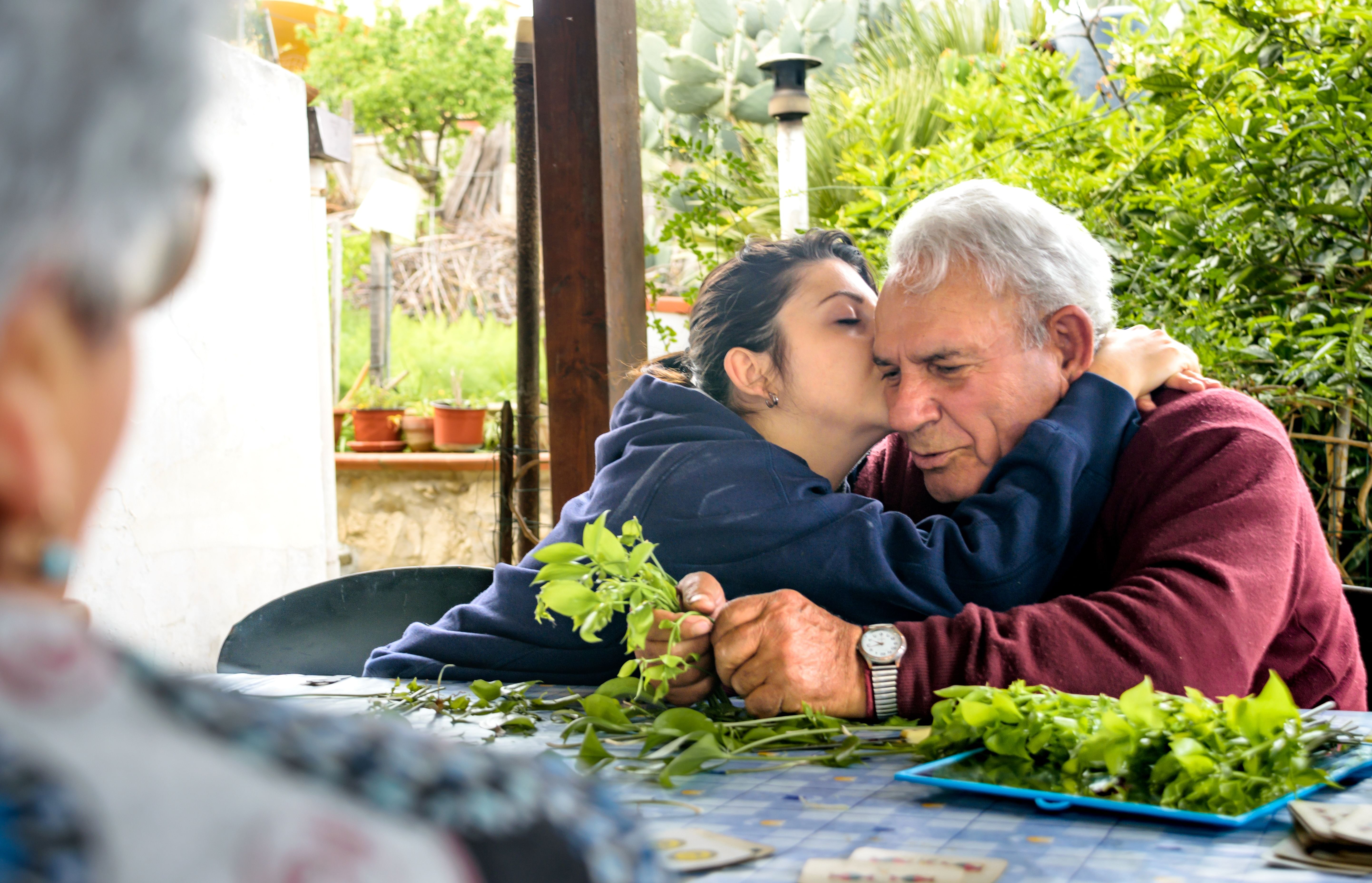
Caregivers carry heavy responsibilities, and the strain grows as dementia advances. Regular aide visits provide reliable help with bathing and hygiene while freeing family time for connection and rest. Social workers collaborate on respite options, community programs, and paperwork that often feels overwhelming during stressful seasons. Coaching turns complex tasks into manageable routines, which reduces urgent calls and restores confidence.
After-hours nursing support means a calm voice is always available, day or night, for guidance on new symptoms or medication questions. Families do not have to guess what to do when circumstances change quickly, because a plan is in place and a nurse can visit if needed. This level of support helps loved ones remain safely at home, which aligns with the wishes of many families in our communities.
Spiritual and Emotional Care That Honors Local Traditions
Faith and family shape how many people in Louisiana, New Mexico, and Mississippi experience serious illness, which is why Anvoi integrates spiritual care as families desire. Grief support starts early, helping family members process changes, celebrate legacy, and prepare for the road ahead.
Emotional care for caregivers matters as much as symptom relief for the patient. Counselors and social workers check in on stress, sleep, and coping skills, offering practical techniques for communication and self-care. Families feel seen when care includes both medical expertise and an understanding of the heart.


Getting Started With Anvoi
Choosing hospice for dementia is an act of love, grounded in the desire to protect comfort, dignity, and connection. Anvoi makes the next steps straightforward whether you live in New Orleans, Albuquerque, Gulfport, or a small town in between. A single conversation with our intake team can confirm whether hospice is appropriate now, or whether a follow-up evaluation would provide better timing and clarity. Reach out to Anvoi to schedule a timely evaluation, create a personalized plan, and begin receiving expert dementia hospice services that honor the person you love. Our team is ready to walk with you, bring calm to each day, and support your family every step of the way.

Anvoi has been providing hospice care since 2013 with over 100 years of accumulated experience.