
Resources for Caregivers
Many families don’t know that they can receive additional specialized nursing care, medications, medical equipment, and supplies related to their loved one’s terminal illness at no cost much sooner than their loved ones’ final days or weeks.

Resources for Patients
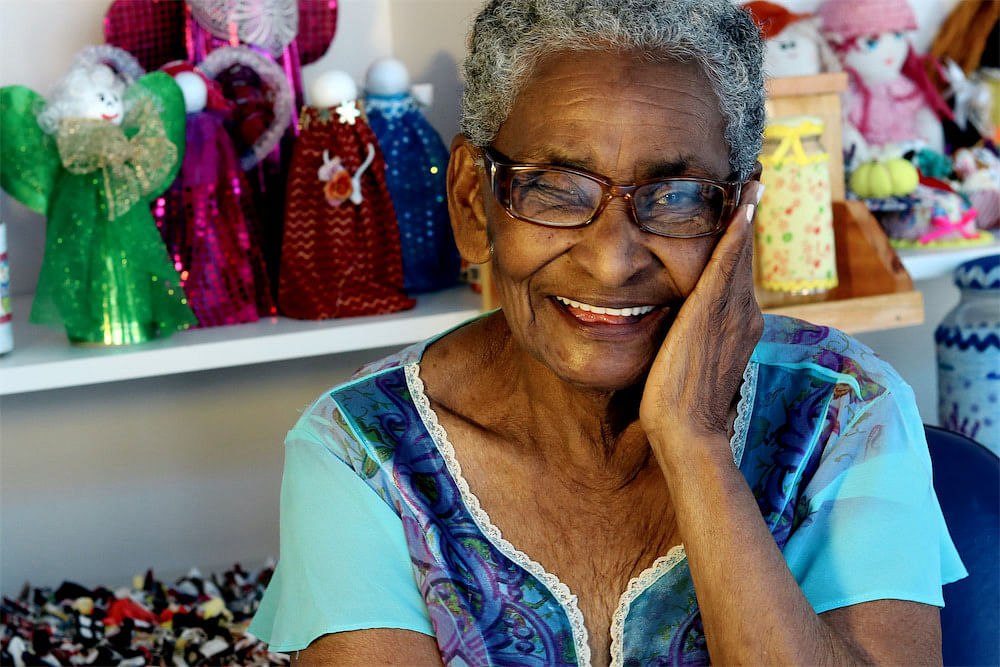
Hospice care can dramatically and positively impact quality of life. The goal is to empower the individual by providing knowledge and information to facilitate decision-making. Our staff consists of experts on pain control, symptom management, and emotional and spiritual comfort. Furthermore, our staff is committed to the education of patients and caregivers.
Our Blog: Your Hospice Resource Hub

Resources, Santa Fe, Special Topics, New Mexico
Caring for someone you love is emotional in any season of life, yet the experience can feel especially heavy when you live hours away, across the state, or even in another part of the country.
READ MORE
Resources, Specific Conditions and Illnesses
Chronic obstructive pulmonary disease can change slowly for years, which is one reason families often feel unsure about when standard medical treatment is no longer enough and when comfort-focused care should enter the conversation.
READ MORE
Resources, Raton, Comfort Care, New Mexico
When a loved one is living with a serious illness, comfort becomes one of the most important parts of daily life, and that is exactly where hospice care can make a meaningful difference.
READ MORE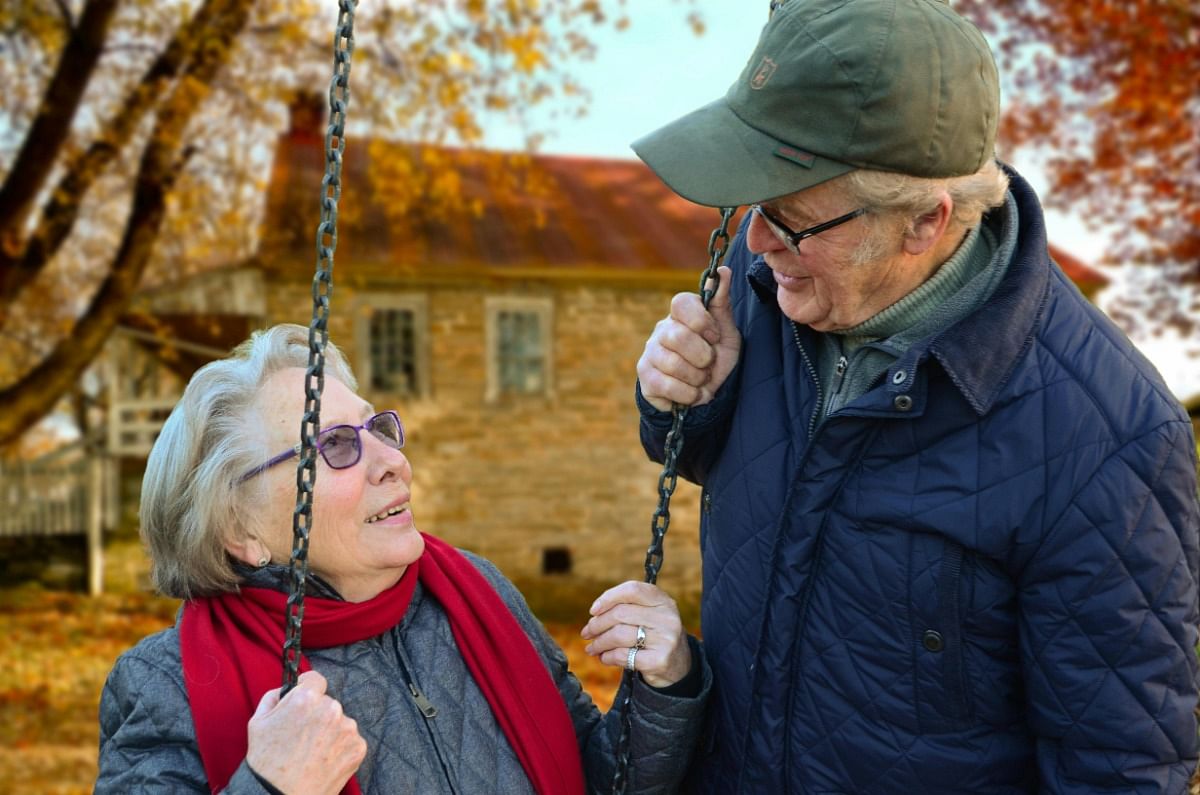
Resources, Family and Caregiver Guidance
Navigating conversations with someone whose loved one is in hospice care can be challenging.
READ MORE
Resources, Taos
Taos has a way of pulling people toward what is real, whether that is family, land, faith, art, or simply a slower rhythm that makes room for reflection. That same grounded mindset makes end-of-life planning feel less like a grim task and more like a practical, loving decision.
READ MORE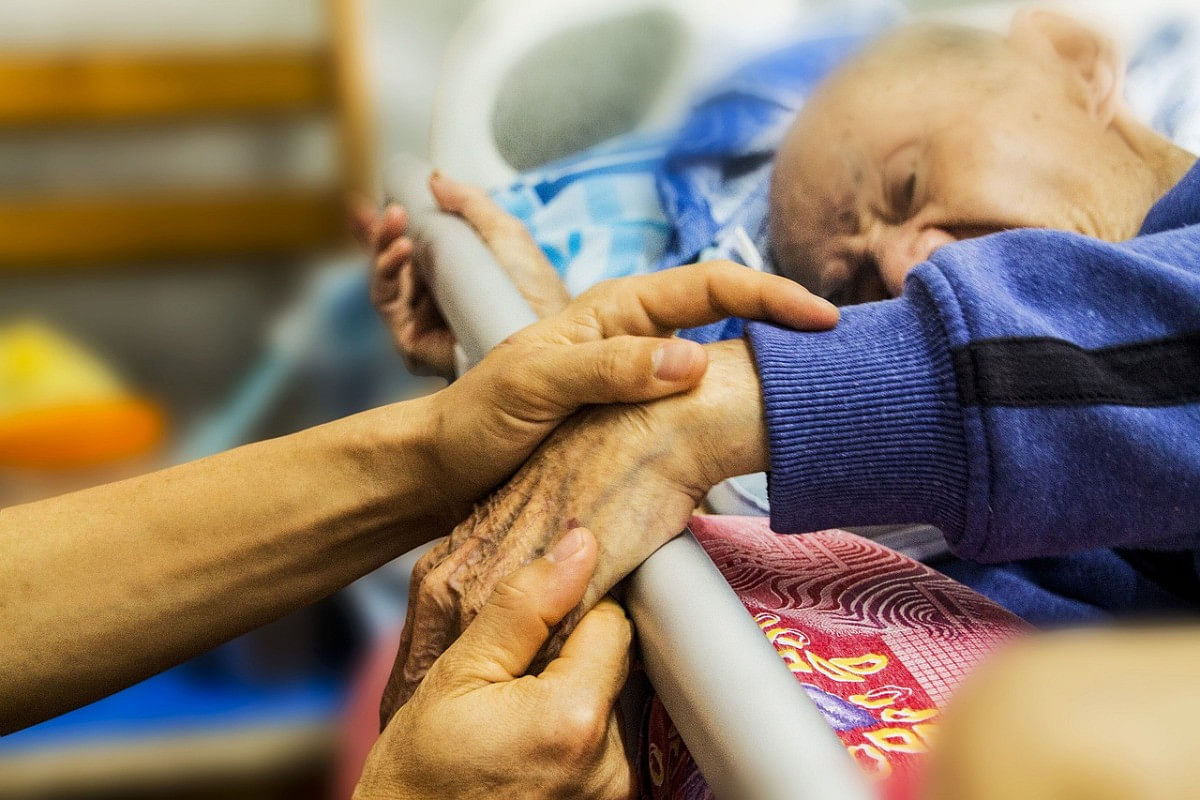
Resources, Special Topics
Hospice focuses on quality of life when an illness is no longer responding to curative treatments or when the burden of aggressive care outweighs the likely benefit, which means the emphasis turns to comfort, symptom relief, practical support, and emotional and spiritual care for both the patient and the family.
READ MOREContact Us
Get In Touch With Us
Please do not include any personal health information in this form!
Our Locations
Areas We Serve



Anvoi has been providing hospice care since 2013 with over 100 years of accumulated experience.