
How to Make End-of-Life Plans in Alamogordo, NM
Talking about end-of-life planning can feel uncomfortable at first, especially when a loved one is still sharing meals, telling stories, and moving through daily life with familiar routines. Still, making thoughtful plans before a crisis happens can give families in Alamogordo a calmer path forward, because decisions about medical care, comfort, legal wishes, and family support are much easier to make when everyone has time to think clearly.

For many families in Otero County, end-of-life planning is not about giving up hope; instead, it is about choosing what kind of care, setting, and support will matter most if an illness becomes advanced. Anvoi Hospice helps patients and families talk through these choices with compassion, so the focus can shift from uncertainty and fear to comfort, dignity, and peace.
End-of-Life Planning Gives Families a Clearer Path
End-of-life planning is the process of deciding how a person wants to be cared for if a serious illness progresses, treatment options become limited, or daily life becomes harder to manage. These plans may include medical preferences, hospice care wishes, spiritual needs, financial considerations, funeral arrangements, and practical decisions about where the person would like to receive care.
When these conversations happen early, families are less likely to feel rushed into decisions during a hospital stay, emergency room visit, or sudden decline at home. Although no plan can remove every emotional burden, a clear plan can reduce confusion, prevent conflict, and help loved ones honor the patient’s wishes with greater confidence.
Why Should Alamogordo Families Start These Conversations Early?
Families in Alamogordo often value independence, privacy, faith, military service, and close community ties, which means end-of-life decisions may involve more than medical facts alone. A patient may want to remain at home near family, continue familiar routines, receive support from a church community, or avoid repeated trips between home and medical facilities when comfort-focused care would better match their goals.
Starting early also allows families to include the people who need to be part of the conversation, such as spouses, adult children, siblings, trusted friends, clergy, and healthcare providers. When everyone understands the patient’s priorities before a stressful moment arrives, the family can make decisions from a place of love rather than panic.
Begin With the Patient’s Values and Wishes
The best end-of-life plans begin with a simple question: what matters most to the person receiving care? For some patients, the answer may be staying at home in Alamogordo as long as possible, while for others, it may be pain control, spiritual peace, time with grandchildren, fewer hospital visits, or the ability to remain alert enough to enjoy conversations.
These values should guide every later decision, because medical care at the end of life is deeply personal. A treatment that feels worthwhile to one person may feel burdensome to another, which is why families should listen carefully, ask gentle questions, and avoid assuming they already know what their loved one would choose.


Put Medical Preferences in Writing
Once a person has talked through their wishes, the next step is to put important medical preferences in writing, so doctors, family members, and caregivers have clear guidance. Advance directives, healthcare powers of attorney, and related documents can help explain who should make decisions if the patient cannot speak for themselves, as well as what kinds of life-sustaining care they would or would not want.
Families in Alamogordo may also want to discuss these documents with a physician, attorney, or trusted care professional, especially if there are complicated family dynamics or serious medical conditions involved. While conversations are meaningful, written instructions give loved ones something concrete to rely on when emotions are high and decisions need to be made quickly.
Choose a Healthcare Decision-Maker Carefully
A healthcare decision-maker should be someone who can remain calm, respect the patient’s wishes, communicate clearly with medical providers, and make hard choices when the situation is emotional. This person does not have to be the oldest child, the closest relative, or the person who lives nearby, because the most important qualification is the ability to follow the patient’s preferences, even when those preferences are difficult.
It is also helpful to name an alternate decision-maker in case the first person is unavailable, overwhelmed, or unable to serve when needed. Once that person is chosen, the patient should have a direct conversation with them, because being named in a document is much different from truly understanding what the patient wants.
Talk About Where Care Should Happen
Many people picture end-of-life care taking place in a hospital, yet hospice care can often be provided wherever the patient calls home. In Alamogordo and surrounding communities, that may mean a private residence, an assisted living community, a nursing facility, or another familiar setting where the patient feels safe and supported.
Anvoi Hospice works with families to make comfort-focused care more manageable in the place that makes the most sense for the patient’s needs. For many loved ones, the ability to receive hospice care at home can make the final stage of illness feel less clinical and more personal, especially when family members can remain close without the stress of constant travel.

Understand When Hospice May Be Appropriate
Hospice may be appropriate when a patient has a serious illness that is no longer responding well to curative treatment, or when the burdens of aggressive care begin to outweigh the benefits. Common signs include frequent hospitalizations, repeated infections, worsening weakness, significant weight loss, increased pain, shortness of breath, confusion, falls, or a noticeable decline in the ability to complete everyday activities.
A hospice conversation does not mean a family has to make an immediate decision. Speaking with Anvoi Hospice can help families understand whether the patient may qualify, what support would look like, and how hospice care could help manage symptoms while supporting the emotional, spiritual, and practical needs of the whole family.
Hospice Care Supports the Whole Family
End-of-life planning is not only about the patient, because serious illness affects everyone who helps provide care. Spouses may become exhausted, adult children may feel unsure about what to do next, and relatives who live outside Alamogordo may struggle to understand how quickly the situation is changing.
Hospice care includes support for family caregivers, which can make a meaningful difference when care needs become more complex. Through nursing support, hospice aide services, social work, spiritual care, medication guidance, supplies related to the hospice diagnosis, and grief support, Anvoi Hospice helps families feel less alone during a difficult season.
Review Medications, Symptoms, and Daily Care Needs
A strong end-of-life plan should include a practical review of medications, symptoms, mobility, nutrition, breathing, pain levels, sleep, and personal care needs. This review helps families understand what is currently manageable, what may become harder soon, and what kind of support may be needed to keep the patient comfortable.
Families should also talk honestly about caregiver capacity, because love alone does not make full-time care easy. If a loved one needs help with bathing, toileting, transfers, wound care, oxygen use, or medication timing, hospice support can help create a safer and more organized plan for daily life.
Include Spiritual, Cultural, and Personal Priorities
For many families in Alamogordo, spiritual beliefs, cultural traditions, military background, and family customs play an important role in end-of-life decisions. A patient may want prayer, sacraments, pastoral visits, specific music, military honors, quiet time, family gatherings, or certain traditions observed as life nears its end.
These preferences should be written down and shared with the care team, because they can shape the patient’s comfort in ways that medicine alone cannot. Anvoi Hospice understands that dignity includes the whole person, not just the illness, which is why emotional and spiritual support are important parts of hospice care.
Plan for Finances and Practical Responsibilities
End-of-life planning should also include practical matters, such as insurance information, account access, household bills, important passwords, property documents, military benefits, and funeral or burial preferences. While these details can feel uncomfortable to discuss, leaving them unorganized can create confusion for loved ones at the exact time they are grieving.
Families do not need to solve everything in one conversation, and many people find it easier to work through one category at a time. A simple folder, binder, or secure digital document can help keep important information together, so the family knows where to look when decisions need to be made.

What Should You Ask Before Choosing Hospice Care?
Families considering hospice in Alamogordo should ask what services are included, how symptoms will be managed, who to call after hours, how quickly care can begin, and what support is available for caregivers. These questions can help families understand what daily life with hospice may actually look like, rather than relying on assumptions or fears.
It is also reasonable to ask how hospice works after a hospital discharge, how equipment and supplies are coordinated, and what happens if the patient’s condition changes. Anvoi Hospice can walk families through these details in plain language, so they can make decisions with a clearer understanding of what comes next.
Keep the Plan Flexible as Needs Change
A good end-of-life plan should be clear, but it should not be so rigid that it cannot adapt to changes in the patient’s condition. Serious illness can shift quickly, and a plan that worked well one month may need to be adjusted if symptoms increase, caregiving becomes harder, or the patient’s goals change.
Families should revisit the plan regularly, especially after hospitalizations, major medication changes, new diagnoses, or noticeable declines in strength or appetite. By treating the plan as a living guide rather than a one-time document, families can continue making choices that reflect the patient’s current needs and wishes.

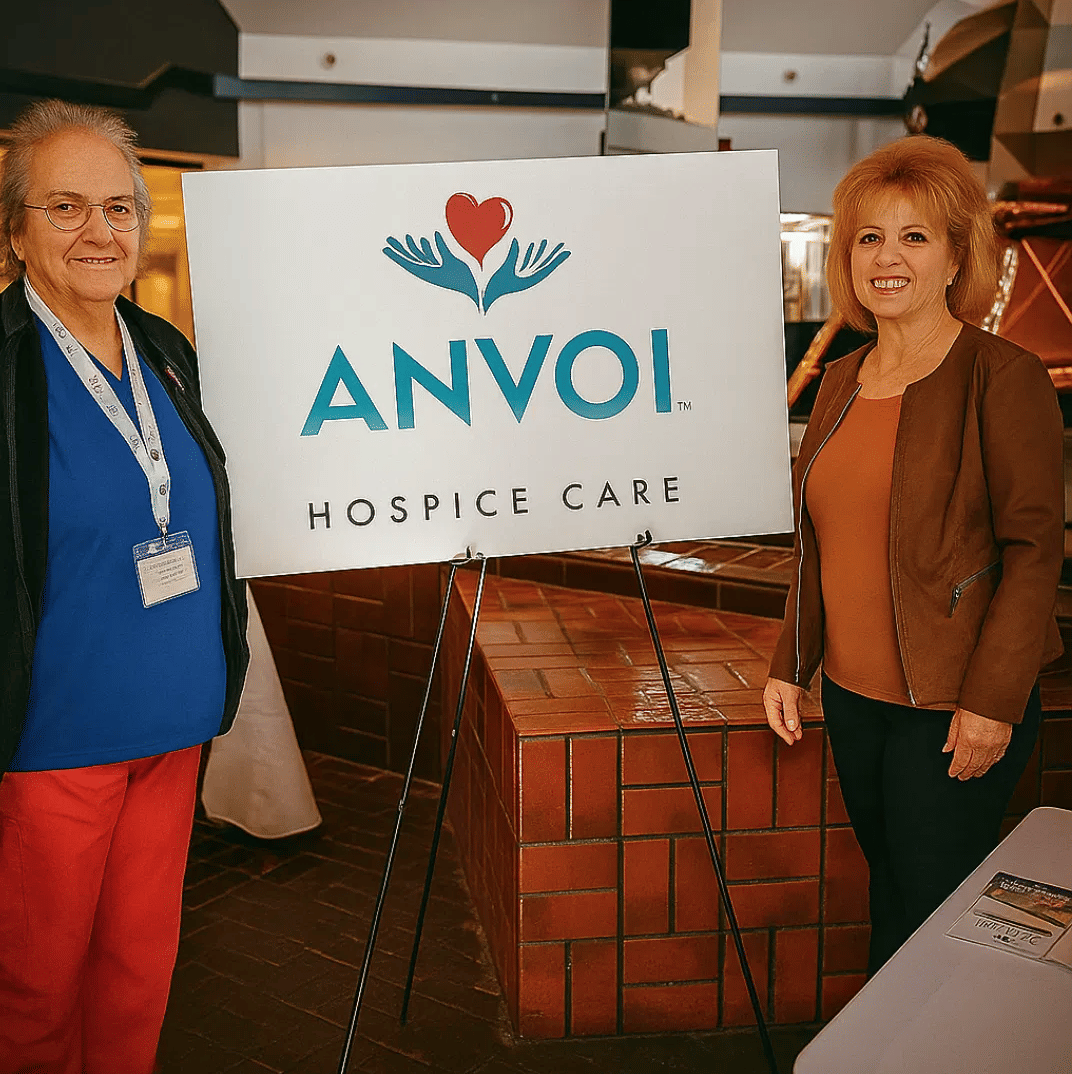
Anvoi Hospice Helps Alamogordo Families Take the Next Step
Making end-of-life plans in Alamogordo, NM, can feel like a heavy responsibility, but families do not have to carry it alone. With the right conversations, written guidance, and compassionate support, patients can receive care that honors their values while helping loved ones feel more prepared for the road ahead.
Anvoi Hospice is here to help patients and families understand hospice options, talk through care goals, and create a plan centered on comfort, dignity, and peace. If your family is beginning to ask whether it may be time for hospice, reaching out for a consultation can be the first step toward clarity, support, and more meaningful time together.
Our Locations
Areas We Serve



Anvoi has been providing hospice care since 2013 with over 100 years of accumulated experience.