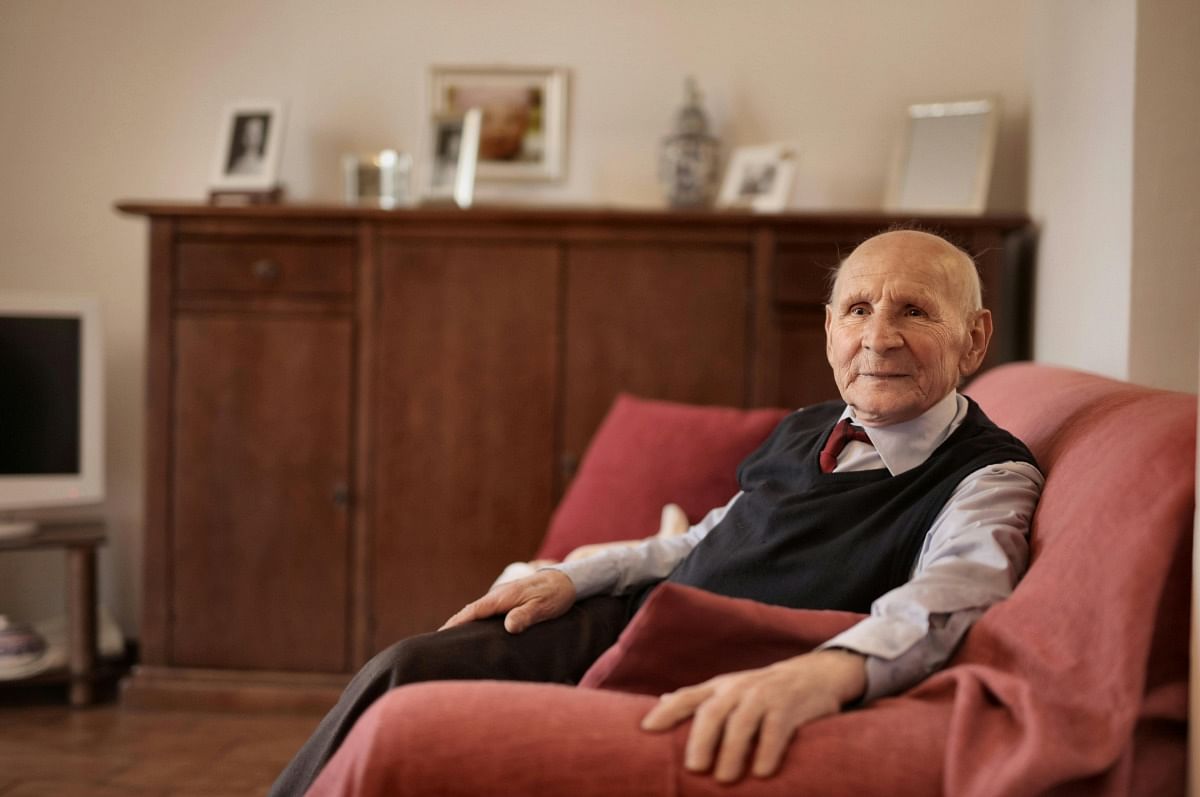


Hospice Care in Taos, New Mexico

Supporting a loved one through their final stages of life requires steady communication, reliable coordination, and a care team that understands the emotional and physical needs of everyone involved. Anvoi Hospice offers hospice care in Taos that blends expert medical attention with sincere empathy, creating a care plan that puts comfort first while respecting the patient’s personal values and choices. Families rely on our method because it’s streamlined, attentive, and designed to enhance quality of life each day.

A Message from Your Care Team

Hospice in Taos

Understanding Hospice Care and Its Role in Your Life

Hospice aims to match medical services with the patient’s priorities, which often involve remaining at home and keeping familiar routines. Nursesaideschaplains, and social workers work as a team to relieve pain, ease symptoms, and support emotional or spiritual needs that may emerge. Families value this approach because it offers respect for individual beliefs along with real-time solutions that ease daily burdens.

Care extends beyond managing symptoms. We coordinate medications, provide caregiver training, arrange medical equipment, and schedule check-ins to reduce emergency situations. Consistent care brings meaningful improvements over time, allowing families to spend more energy on connection rather than tasks.
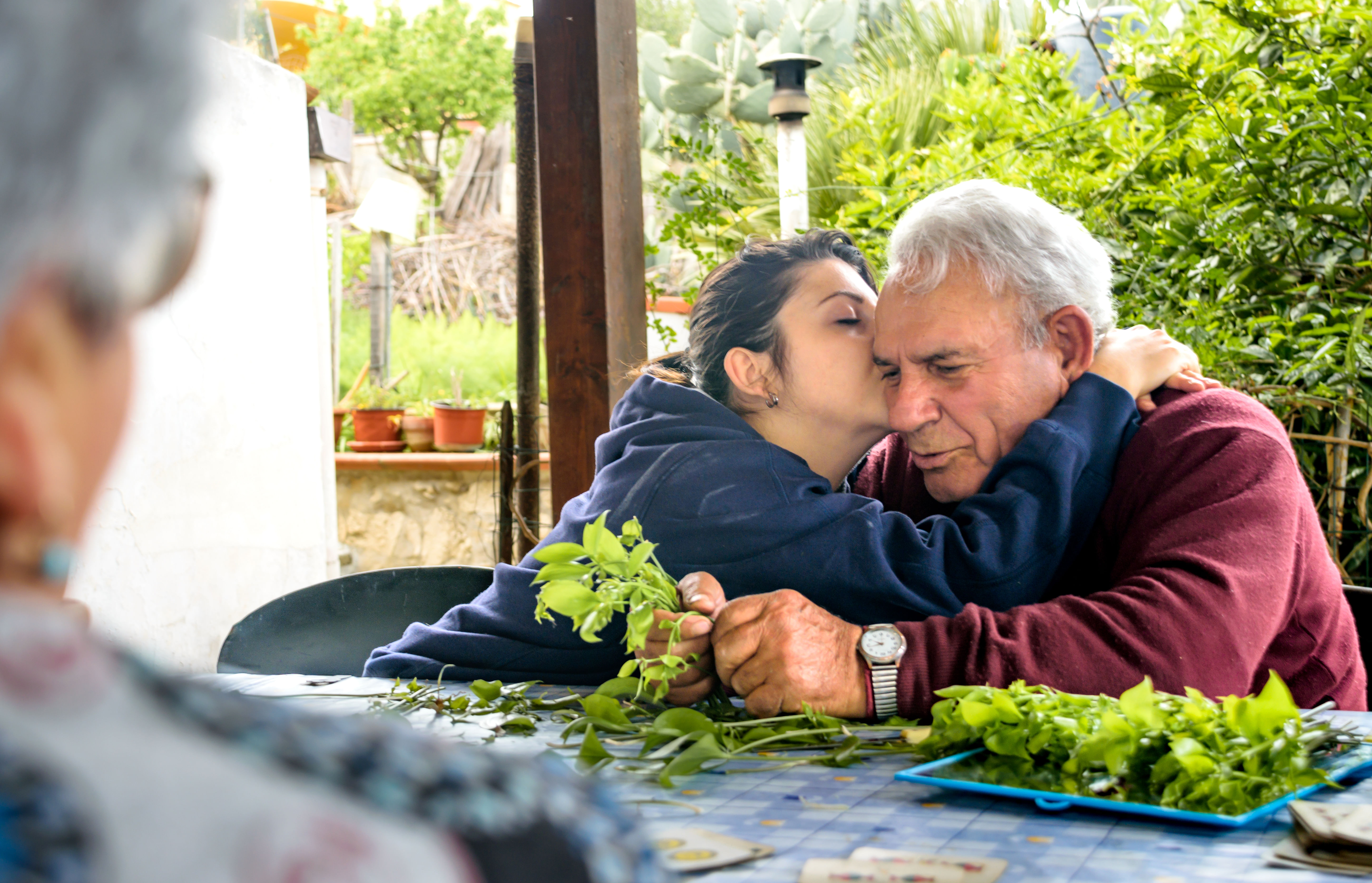
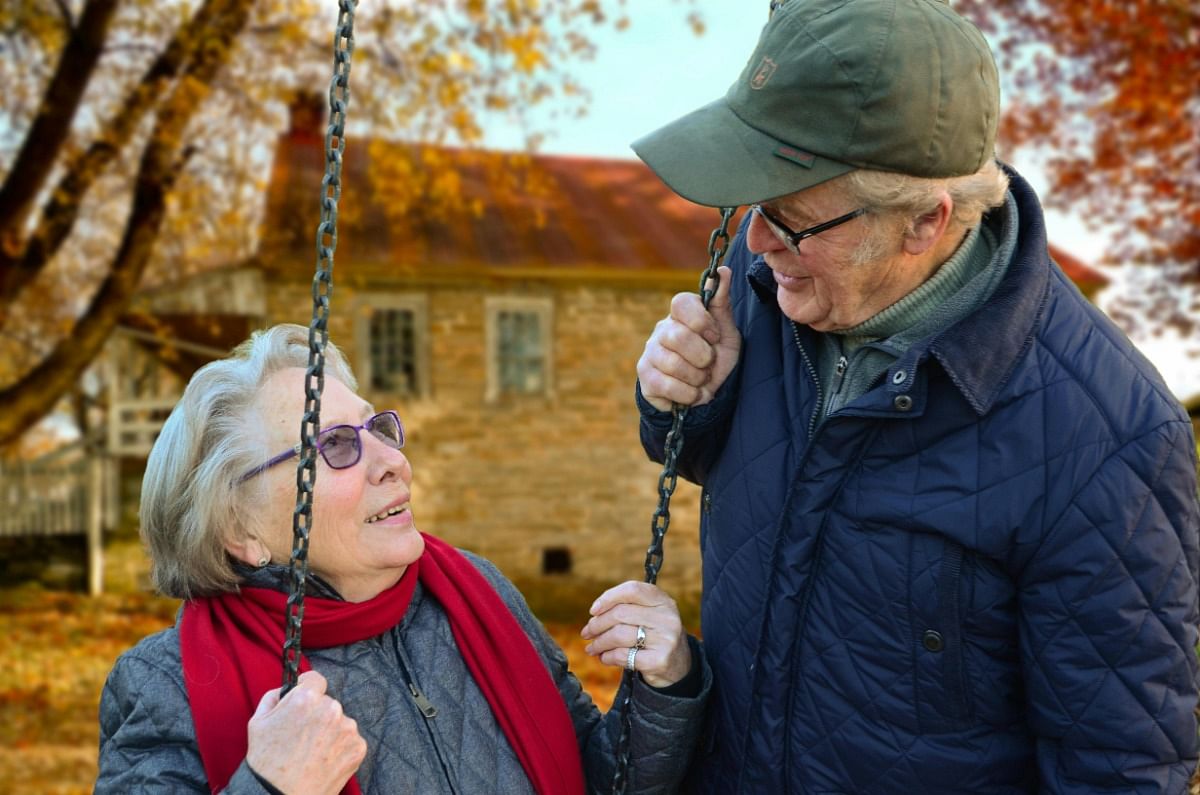
Elderly New Mexico Man with Daughter
Request a Callback
Hospice care in Santa Fe, New Mexico
Hospice Support

Eligibility for Hospice in New Mexico

Patients typically qualify for hospice when a physician determines the likely life expectancy to be six months or less if the condition continues naturally. Conditions such as advanced cancerheart failure, chronic lung disease, dementia, or neurological decline are common reasons. Functional signs like unintentional weight loss, frequent ER visits, or increased help with everyday tasks also play a role.

Delaying hospice services in search of certainty may limit access to valuable support. Earlier assessments often lead to better comfort, fewer trips to the hospital, and more peace at home. A simple evaluation can offer clarity and guide your next steps.

Where Hospice Care Takes Place

Hospice services are most often delivered in the home, whether that means a private residence, an assisted living center, or a nursing home. Visit schedules are tailored based on the person’s current condition and can adjust as situations change. We ensure needed supplies—like hospital beds, oxygen, or safety items—are provided to make the space more manageable.

Transitions between home and facility care are common and can be arranged depending on the patient’s needs. Short-term inpatient stays can be used for symptom control or caregiver rest, then care returns home once things are stable again. This flexibility ensures that the care plan fits your life.

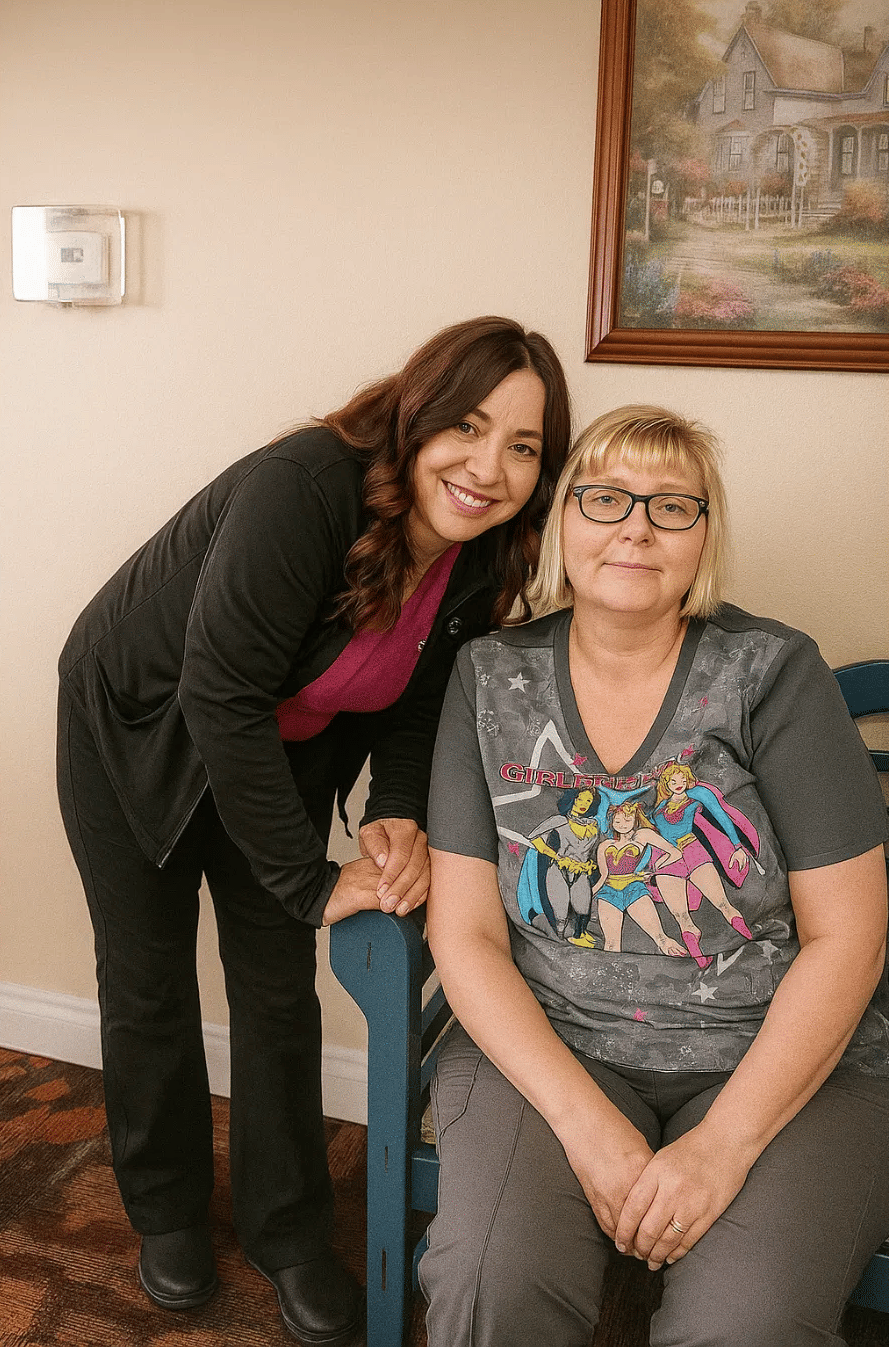
Hospice Care Team members in New Mexico
Hospice Workers in New Mexico shaking hands with patient

Where Hospice Care Takes Place

Hospice services are most often delivered in the home, whether that means a private residence, an assisted living center, or a nursing home. Visit schedules are tailored based on the person’s current condition and can adjust as situations change. We ensure needed supplies—like hospital beds, oxygen, or safety items—are provided to make the space more manageable.

Transitions between home and facility care are common and can be arranged depending on the patient’s needs. Short-term inpatient stays can be used for symptom control or caregiver rest, then care returns home once things are stable again. This flexibility ensures that the care plan fits your life.

Our Services

What We Provide

We genuinely care for our patients and their families. Each patient receives:

Nurse taking a woman\'s blood pressure

A Care Team Built Around Your Needs

Anvoi Hospice assembles a team of licensed professionals, each serving a key role. Nurses manage clinical care and update treatment plans with input from physicians. Aides provide respectful help with hygiene and comfort. Social workers assist with planning, resources, and family decisions. Chaplains offer spiritual care aligned with personal beliefs. Volunteers may also provide companionship or allow caregivers time to rest.

Team Members

Who Will Be on Your Hospice Team?

Your hospice team may include any of the following:

Care Hospice Physician
Chaplain Chaplain
Bereavement coordinator Bereavement Coordinator
Certified nursing assistant Certified Nursing Assistant
RN Registered Nurse
Dietician Dietician
Social worker Social Worker
Nurse practitioner Nurse Practitioner
Therapists Physical, Occupational, and Speech Therapist
Volunteers Volunteers

Looking for a career in hospice?

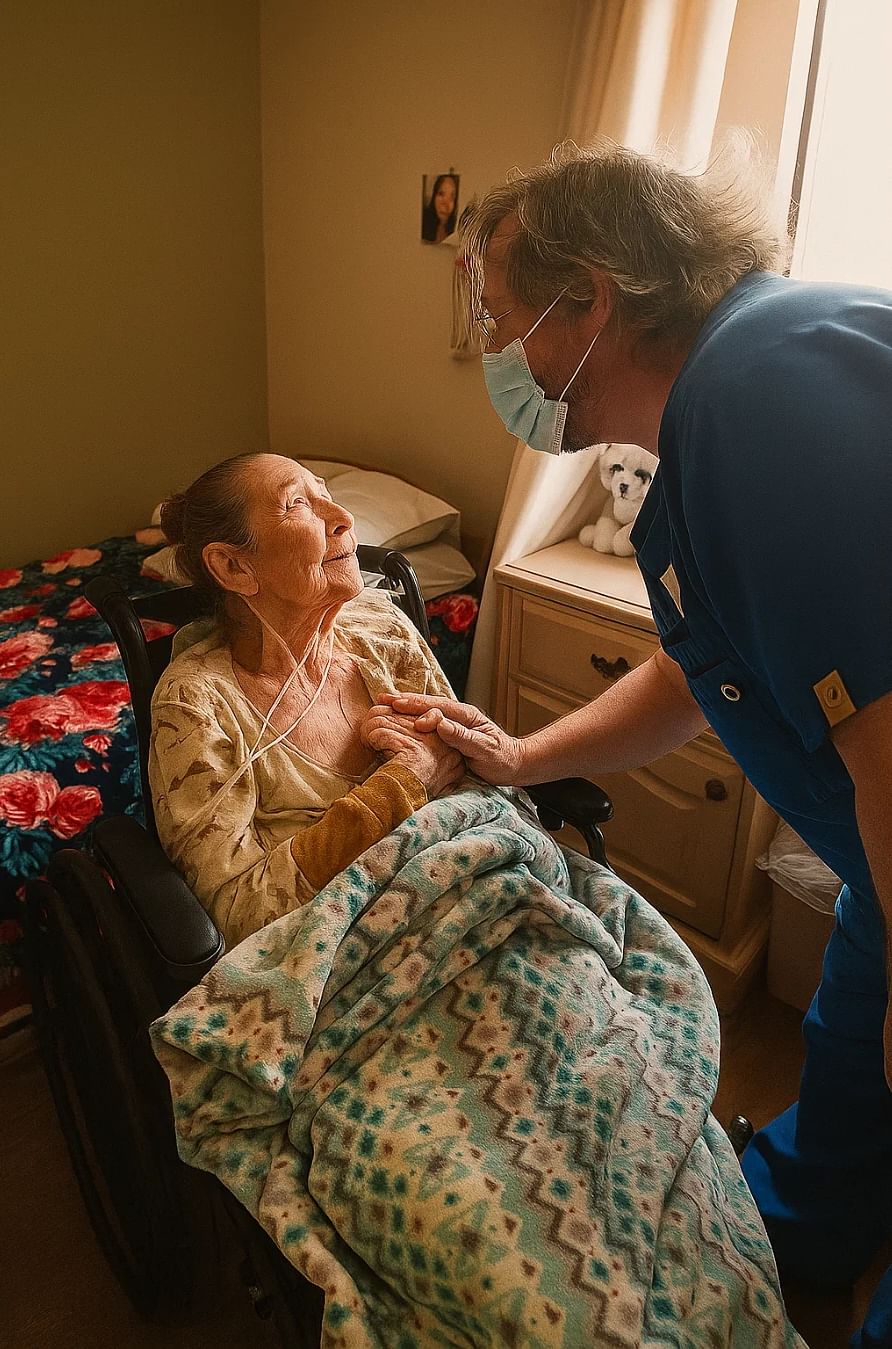
Hospice Nurse in Covington, Louisiana Caring for Elderly Patient

Managing Pain and Improving Comfort

Hospice care includes more than pain control. It also addresses discomfort from shortness of breath, anxiety, nausea, confusion, and sleep problems. These issues are managed using both medication and non-pharmaceutical methods such as repositioning, calming strategies, fluid intake advice, and sensory tools.

Adjusting care as needed improves results while limiting medication side effects. Families receive simple, clear directions for using medications, spotting symptoms early, and knowing when to call for help. Having a structured plan in place leads to fewer crises and a more peaceful home setting.

6 Reasons It Might Be Time to Explore Hospice

  1. Recurring hospital visits or emergency calls in recent months.
  2. Unexplained weight loss, lower energy, or poor appetite.
  3. Ongoing discomfort such as pain, trouble breathing, or restlessness.
  4. If one needs more help walking, getting dressed, or bathing.
  5. Confusion that worsens or more frequent falls.
  6. A desire to focus on comfort and quality time at home.

What Happens During the First 48 Hours

1

Initial Contact/Nursing Visit

Our coordinator learns about your situation, answers questions, and schedules an in-home assessment. A nurse reviews medications, symptoms, and goals, then confirms hospice eligibility with a physician.

2

Care Plan Setup

]\\We develop a personalized outline that includes visit frequency, medication updates, and caregiver training.

3

Home Preparation

Supplies and medications are delivered, along with easy-to-understand directions for use.

4

Meet the Team

Key staff members introduce themselves and provide direct contact details for any hour of the day.

5

Training for Caregivers

Hands-on instruction teaches skills such as safe movement, skin protection, nutrition, and how to recognize symptoms.

6

Follow-Up

A return visit checks in on progress, answers new questions, and makes care adjustments as needed.

Hospice care worker helping patient lift a weight in Taos, NM

Honoring Culture and Personal Traditions in Taos

Taos is rich in history, tradition, and cultural expression. Anvoi Hospice listens closely to understand each family’s beliefs, language preferences, dietary customs, and music or spiritual practices. We incorporate those elements into the care plan, which makes every visit more personal and respectful. Recognizing and adapting to cultural values builds trust and brings peace of mind.

Hospice Support

Support Beyond Medical Needs

The role of a family caregiver is demanding, which is why we build in tools and relief. We teach safe transfer methods, medication timing, and other practical skills that reduce risk and stress. Emotional guidance helps family members stay connected and express their feelings in healthy ways.

Respite care gives caregivers time to rest and regroup, while grief counseling supports families long after their loved one has passed. We help with everything from paperwork to emotional healing, creating a foundation of strength throughout the journey.

Hospice care in Taos, NM

Frequently Asked Questions

  • A growing number of hospice programs have their own hospice facility or have arrangements with nursing homes, hospitals or inpatient residential centers that care for people who cannot be cared for at home. However, the cost to live in these settings may not be fully covered by your insurance, so it is best to find out if insurance covers this type of care before you call hospice.

  • Every person receiving hospice has access to a registered nurse, social worker, hospice aide, and chaplain (also known as the interdisciplinary team) and volunteers. The hospice team will work with you and your family to create a plan of care that will outline the actions and goals for your hospice care. All visits are based on you and your family’s needs in the care plan and your medical condition during the course of the illness. The frequency of volunteers and spiritual care is often dependent upon request and the availability of these services. Travel requirements and other factors may cause some variation in how many individuals each hospice staff serves. 

  • The hospice team visits on an intermittent basis. This team includes physicians, nurses, social workers, hospice aides, chaplains and other specially trained care providers. The frequency of visits is determined by the patient’s needs. A hospice RN is on call 24 hours a day/7 days a week to answer questions and provide support. After hours visits are made as needed.

  • As the patient, it is your right, or the right of your decision maker, to determine when hospice care is right for you and which agency you would like to use. Others may recommend agencies for you to consider, but it is up to you to make the final decision. Not all hospice providers are the same, and it is important to receive the care that best fits your desires and needs.

  • You can stop hospice services at any time and for any reason. You can change your mind and resume aggressive treatment. Then if you wish to return to hospice care later, you can do so as long as you meet the medical hospice admission requirement.

  • Hospice makes the patient’s quality of life the focal point of care. Hospice professionals are trained to provide care and treatments that lessen the patient’s pain and other symptoms. Hospice strives to decrease the burden of medical treatment when such measures would not improve the patient’s quality of life. For some patients, this may mean decreasing the number of medications taken for chronic conditions.

  • Receiving hospice does not mean that death is imminent. Studies have shown that patients who elect hospice care earlier often live longer than those who continue to receive curative treatment. Hospice care is designed for patients who have a life expectancy of approximately six months or less. However, as long as the patient continues to meet hospice requirements, they may continue to receive services – even if this is longer than six months.

  • Urinary tract infections (UTIs) affect the urinary system, affecting the bladder and kidneys. They can be occasional inconveniences or recurrent nightmares. Anvoi provides information on why some individuals face repeated UTIs and how to reduce their frequency and manage symptoms.

    Learn more about treating UTIs.

  • Hospice services can be provided to a person who has a life-limiting illness wherever that person lives. This means a person living in a nursing facility or long-term care facility can receive specialized visits from hospice nurses, hospice aides, chaplains, social workers, and volunteers, in addition to other care and services provided by the nursing facility. The hospice and the nursing home will have a written agreement in place in order for the hospice to serve residents of the facility. The Medicare Hospice Benefit will cover the care related to your terminal illness, but it does not cover daily room and board charges of the facility. If you are eligible for Medicaid, Medicaid will cover room and board charges.

  • Many families wait to call hospice until the final days and weeks of their loved one’s life, not knowing they could have started receiving additional specialized nursing care and medications, medical equipment, and supplies related to their loved one’s terminal illness at no cost much earlier. Hospice care improves the patient’s quality of life by managing pain and other symptoms and improves the family/caregiver’s lives by having someone that they can lean on, seek guidance from and receive much-needed support during this difficult time. 

  • Each person’s end-of-life experience is unique, as it is influenced by such factors as the specific illness, medications being taken, and the person’s overall health. In some cases, these changes may occur over a period of weeks; for others, the process lasts just a few days or hours.

    However, a number of end-of-life changes are fairly common, as a person’s bodily functions naturally slow and stop. The following changes are often signs of this process, though not every patient exhibits all of these end-of-life signs.

    • Less interest in eating or drinking. The person may only need enough liquid to keep his or her mouth from becoming too dry. How to help: Offer, but don’t force, food, liquids, and medication. In some instances, the person may no longer feel pain he or she had previously felt.

    • Not passing fluids regularly. As bodily functions decline and the person eats and drinks less, their output of fluids will also decrease. How to help: Do nothing. However, if the patient is not passing fluids but feels the urge to do so, contact their nurse for advice.

    • Speaking and moving less. Activity usually decreases significantly in one’s final days and hours. People may not respond to questions and show little interest in their surroundings.

  • Hospice care may be considered for anyone doctors believe to have a life expectancy of less than six months. Usually at this point, active treatment aimed at recovery stops and hospice care is initiated. Hospice care focuses on producing the best possible quality of life in the patient’s remaining time.

    Different diseases and conditions each have their own guidelines for hospice admission. The most common of these diseases or conditions include ALS, cancer, dementia, heart disease, HIV, kidney disease, liver disease, lung disease, Parkinson’s disease, stroke and coma. Sometimes a patient does not “fit” into the guidelines but still has a life expectancy of six months or less and therefore may be eligible for hospice.

    In order to be eligible to elect hospice care under Medicare, an individual must be entitled to Part A of Medicare and certified as being terminally ill by a physician and having a prognosis of 6 months or less if the disease runs its normal course.

  • • Medicare covers hospice care costs through the Medicare Hospice Benefit. See Medicare For More Info

    • Veterans' Administration (VA) benefits also cover hospice care. See Va.gov For More Info

    • The coverage of hospice care by Medicaid is optional and varies by state. See Medicaid For More Info

  • In addition to Medicare and Medicaid, most private insurance plans, HMOs, and other managed care organizations recognize the value of hospice care and include hospice coverage in their plans. Additionally, some hospices provide charity care to patients who do not have insurance coverage or the ability to pay for their care.

  • Hospice redefines hope and helps patients and their families reclaim the spirit of life. Hospice care focuses on improving the patient’s quality of life allowing them to make the most of the time they have.

  • Palliative care is a specialized approach to medical care that focuses on improving the quality of life for individuals facing serious illnesses, regardless of whether those illnesses are considered curable or not. Learn more about palliative care.

Service Area in Taos and Nearby Regions

Anvoi Hospice supports patients in Taos and surrounding communities such as Ranchos de Taos, El Prado, Arroyo Seco, and other areas in northern New Mexico. If you're unsure whether we serve your area, a short phone call can confirm availability and set up a visit quickly.

Request a Callback
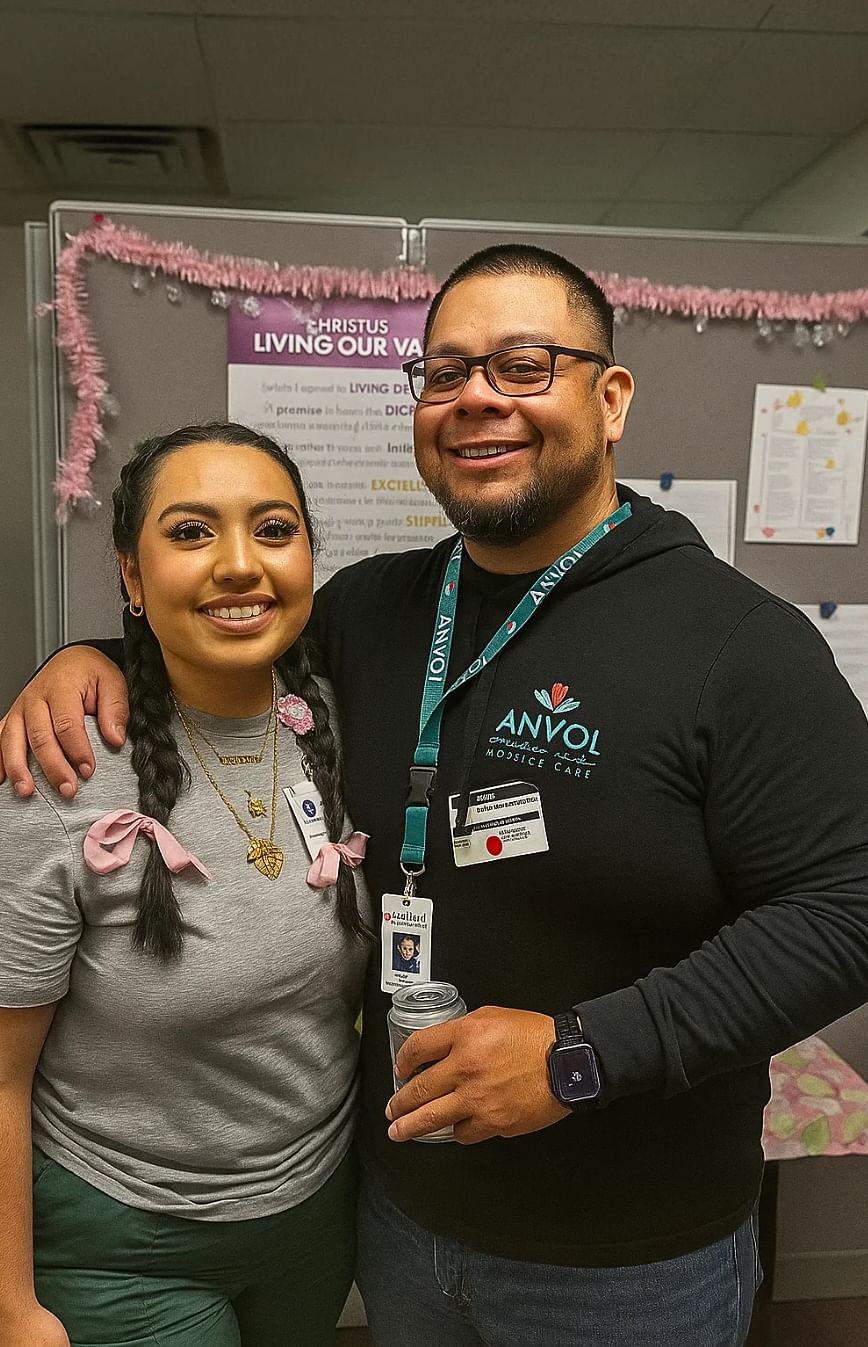
Hospice Care Workers smiling for photo in New Mexico L

Choose Anvoi Hospice for Compassionate Hospice in Taos

When your family needs care that balances clinical skill with personal attention, Anvoi Hospice is ready to help in Taos and the nearby region. We build care plans that reflect what matters most to each patient, offer round-the-clock support, and teach families how to navigate each stage with confidence. Trust Anvoi Hospice for hospice care in Taos; we’re a team that listens, shows up, and puts comfort at the center of every decision.

Testimonials

What People Are Saying

Our interdisciplinary team of physicians, nurses, social workers, chaplains, volunteers, and other medical professionals are trained to provide physical, emotional, social, and spiritual support to patients and their families. We’ve helped countless individuals through difficult times.

Thank you to all the staff at Anvoi for providing excellent care for my grandfather during his last days. He was treated with dignity and respect. Everyone at Anvoi was always available for our family.

– David V.

She was an angel taking care of my mother.

– Karen E.

Thank you for all your assistance throughout this course of Mom’s length of care. We were so fortunate to find you and will always be grateful for your care and guidance.

– Tim S.

The care you provided our mother, and our family will never be forgotten. We felt reassured and confident by your visits.

– Sherry B.

The caregivers and nursing staff at Anvoi Hospice provided my mother with the most generous, loving care and were always patient and attentive to her needs. Anvoi Hospice helped to make her transition peaceful and we are beyond thankful for their assistance during this last chapter of my mother's life.

– Brenda W.

Anvoi did an amazing job taking care of my mom, and the staff was very helpful in answering any questions our family had.

– Ryan D.

We cannot even begin to express our deepest gratitude for all the love and support you showed our Dad and our family. It meant so much that we could come to you with all of our concerns so that we could give our Dad the best care possible in his final days.

– Beth R.

We would highly recommend Anvoi Hospice. They are professional and caring while keeping the client's needs a priority. They also work with the family to do what is best for their loved one. This is one of the hardest phases for everyone and having Anvoi explain the process meant a lot.

– Angie W.

The knowledge & care Anvoi provided for us during such a difficult time was amazing. The staff & caregivers were patient and kind. I would recommend Anvoi to anyone needing services during such a hard time of life.

– Nancy C.

See Our Blog

Hospice for Cancer Patients
News, Specific Conditions & Illnesses
When is Hospice Called for Cancer Patients READ MORE
Length of Hospice Care
News, Hospice Care Basics
How long is Hospice Care? READ MORE
logo vertical
veteran 3 star

Anvoi has been providing hospice care since 2013 with over 100 years of accumulated experience.

Our Services Self Assessment FAQ Workplace Violence Pricing Transparency
Resources News Careers Locations Notice of Privacy Practices

Interested in becoming a hospice volunteer?

New Mexico
Louisiana

2025 ©Anvoi Health | Contact | Privacy Policy