
Pet Therapy in Hospice:
How Luma Supports Ocean Springs and Surrounding Communities in Mississippi
Hospice care often includes moments that are difficult to put into medical terms. A familiar song, a conversation with a loved one, sunlight through a window, or the quiet presence of a friendly dog can sometimes make an ordinary afternoon feel a little more peaceful. For patients and families facing serious illness in Ocean Springs and across the Mississippi Gulf Coast, these small experiences can carry tremendous emotional meaning.
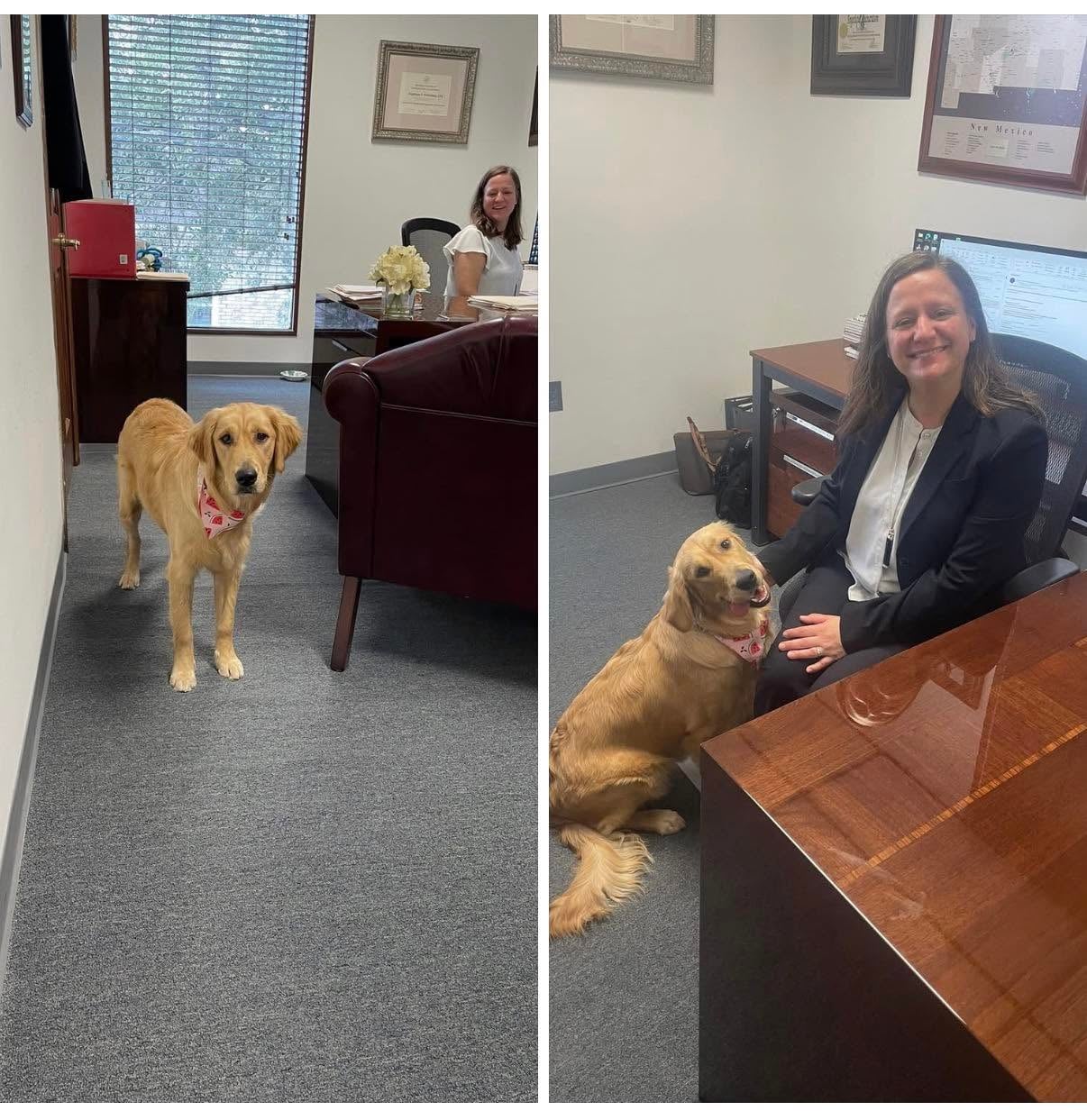
Pet therapy in hospice is one way to encourage those moments of comfort and connection. A calm, friendly dog may invite someone to smile, reach out for a gentle pat, share a memory about a beloved pet, or simply enjoy companionship without needing to carry on a conversation. At Anvoi Hospice, that furry source of encouragement has a name: Luma, Anvoi's pet therapy dog and Chief Happiness Officer.
Luma is an important part of Anvoi's personality, but the larger story is what pet therapy can offer patients, caregivers, families, and senior communities. When a visit is appropriate for the individual and the care setting, interaction with a therapy dog may provide another way to create meaningful moments alongside the clinical and emotional support already provided through hospice care.
What Can Pet Therapy Bring to Hospice Care?
Pet therapy does not cure disease, treat a terminal diagnosis, or replace nursing care, medications, symptom management, or other hospice services. Its role is much more human and immediate: providing companionship, encouraging interaction, and offering a source of comfort during a period of life that can otherwise feel dominated by appointments, symptoms, and difficult conversations.
For some patients, simply having a dog nearby can change the atmosphere of a room. A person who has been quiet may begin talking about dogs they owned years ago, while someone who has been withdrawn may become interested in petting the dog's fur or watching what the dog is doing. Those interactions may help ease stress, encourage social connection, and give patients and families something pleasant to share together.
Pet therapy can also introduce a little normalcy. Hospice patients remain people with preferences, personalities, memories, humor, and relationships, and spending time with an affectionate animal can provide an experience that feels less clinical and more like everyday life.
Why Can a Friendly Dog Create Such Meaningful Moments?
Dogs communicate largely through presence. They do not need a patient to explain how they feel, remember the right words, or participate in a complicated conversation. A dog can simply sit nearby, accept affection, or offer companionship, which may be particularly valuable for someone who is tired, struggling to communicate, or simply not interested in talking.
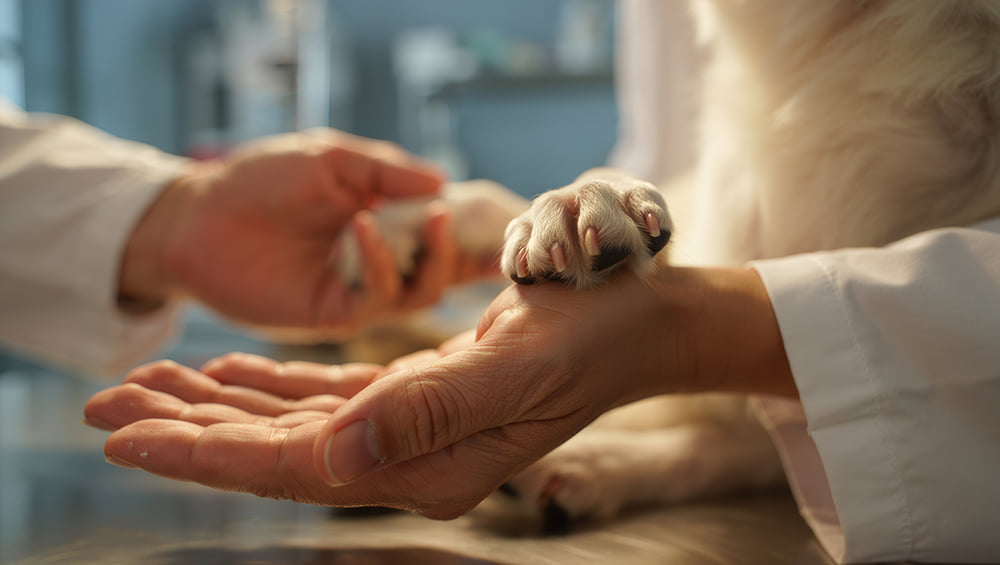
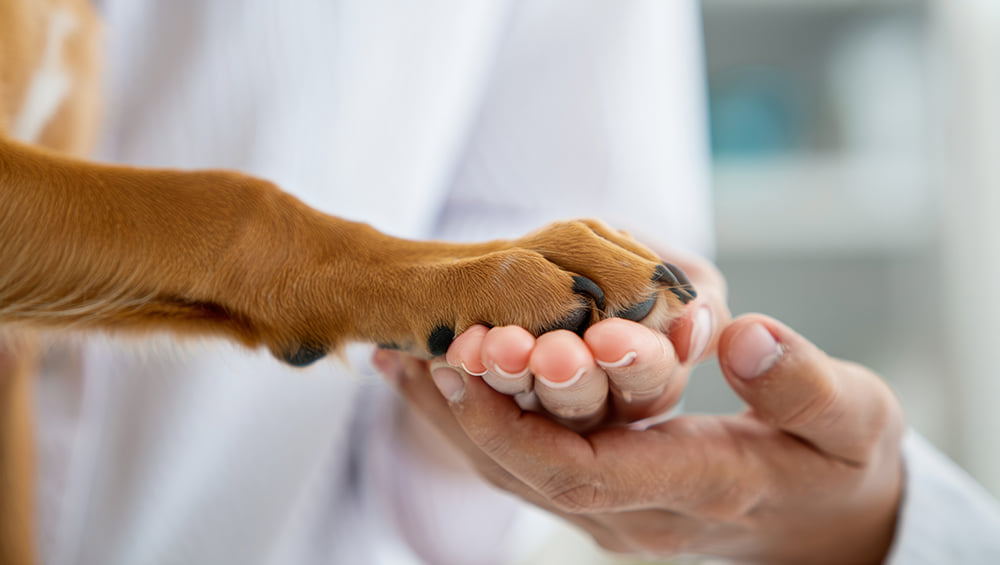
Physical interaction can be simple as well. Stroking a dog's coat, holding a paw, or watching a relaxed dog settle beside a chair may create a soothing experience for someone who enjoys animals. Pet therapy for hospice patients in Ocean Springs or nearby Gulf Coast communities should always be guided by the individual's comfort, but for people who genuinely like dogs, those quiet interactions may become a welcome part of the day.
Animals can also be natural conversation starters. One person may remember a childhood dog in Biloxi, another may talk about raising hunting dogs up around Vancleave, and another may begin describing the pet that used to sleep beside their bed. These memories can give family members new opportunities to listen, laugh, reminisce, and connect.
Meet Luma, Anvoi's Chief Happiness Officer
Luma is Anvoi Hospice's pet therapy dog and holds the unofficially serious title of Chief Happiness Officer. Her role reflects something Anvoi believes is important about hospice: caring for people involves more than addressing symptoms alone. Emotional connection, companionship, dignity, and moments of enjoyment matter, too.
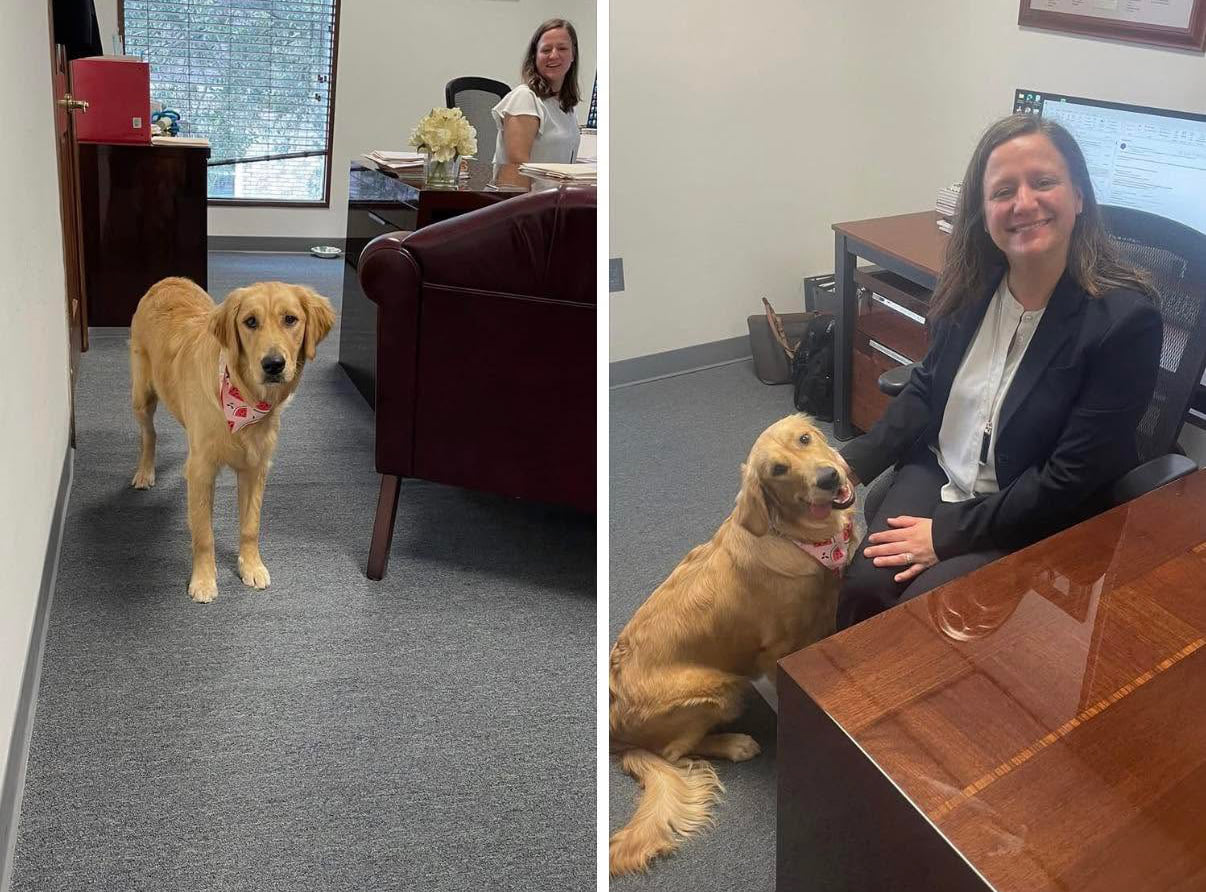
When appropriate, Luma may be available for visits involving senior facilities or families in communities served by Anvoi. Availability can depend on the care setting, facility policies, the patient's circumstances, scheduling, and whether a visit is suitable for everyone involved, so families and organizations should ask Anvoi about current options rather than assuming that every request can be accommodated.
Luma's presence also gives the idea of hospice pet therapy a recognizable face. Instead of talking about animal-assisted support only in abstract terms, families can see how a real dog may help create conversation, smiles, and moments of companionship for people receiving care.
Pet Therapy Can Support Families and Caregivers, Too
A hospice journey affects far more than the patient. Spouses, adult children, grandchildren, friends, and other caregivers may spend long stretches of time worrying about symptoms, managing daily responsibilities, coordinating schedules, and wondering what changes will come next.
A therapy dog visit can create a different kind of moment. Instead of every conversation revolving around illness, family members might laugh at something Luma does, tell stories about old pets, or simply enjoy watching their loved one interact with her. That experience may offer a brief emotional change of pace during an otherwise demanding period.
Caregivers themselves may also enjoy the companionship. Pet therapy does not remove caregiver stress or replace the support families need from the hospice team, but it may provide warmth and connection during a difficult day.
Pet Therapy for Seniors in Ocean Springs and Along the Gulf Coast
Therapy dog visits can be especially meaningful in senior living environments, where residents may have different levels of mobility, communication ability, family involvement, and social interaction. A visiting dog can create a shared experience that draws attention throughout a common area or gives an individual resident something enjoyable to anticipate.
For senior facilities in Ocean Springs and nearby communities such as Biloxi, D'Iberville, Gautier, and Pascagoula, a potential Luma visit may offer another way to create positive engagement when the visit fits facility policies and resident needs. Some residents may want to pet her, while others may prefer to watch from nearby or simply enjoy seeing a dog moving through the room.
Not every resident will want animal interaction, of course, which is why pet therapy should always remain optional. The benefit comes from giving people an opportunity to connect in a way that suits them rather than assuming everyone responds to animals the same way.
How Pet Therapy May Help Patients With Memory or Communication Changes
Some hospice patients live with Alzheimer's disease, dementia, stroke-related communication changes, Parkinson's disease, or other conditions that can make ordinary conversation more difficult. A person may have trouble finding words, following a long discussion, or expressing how they feel, even though they can still respond emotionally to familiar experiences.
Interaction with a friendly dog can sometimes create another path to connection. A patient may smile, gesture toward the dog, reach out to touch her, or respond to her presence without needing to explain anything verbally.
Animals may also bring old memories to the surface. Someone who cannot easily discuss recent events may still remember a dog they loved decades ago, where that dog slept, or the trouble it used to cause. Those memories can lead to meaningful conversations between patients and family members, although every person's response will be different.
What Should Families Consider Before a Pet Therapy Visit?
Pet therapy works best when the experience is comfortable for the patient and appropriate for the environment. A dog visit that delights one person may be stressful or unsuitable for another, so preferences and practical considerations should always come first.
Families and facilities should consider factors such as:
-
Whether the patient actually enjoys being around dogs
-
Allergies or sensitivities involving the patient, roommates, residents, or caregivers
-
Fear of dogs or past negative experiences with animals
-
Facility rules concerning therapy animals and visitors
-
The patient's current condition and ability to interact safely
-
The physical environment where the visit would take place
-
Guidance or approval from the appropriate care team or facility staff
-
Whether other people sharing the space are comfortable with the visit
Someone who does not want animal contact should never be pressured into it simply because pet therapy is available. Respecting individual preference is part of preserving dignity.
Hospice Pet Therapy Should Complement the Care Plan
A therapy dog visit is one piece of emotional and social support, not a substitute for hospice care. Patients may still need nursing care, physician oversight, symptom management, medications, medical equipment, caregiver education, social support, spiritual support when desired, and other services included in their individualized hospice plan.
The hospice team remains responsible for assessing the patient's needs and coordinating appropriate care. Pet therapy can complement that work by creating another opportunity for comfort and connection when the patient enjoys animals and a visit is appropriate.
Families should also know whom to contact when medical symptoms or care needs change. Pet therapy may brighten an afternoon, while the hospice team provides the clinical guidance, scheduled visits, and 24/7 on-call support families rely on when questions arise.

Bringing Moments of Connection Across the Mississippi Gulf Coast
Ocean Springs, Biloxi, and the surrounding communities are connected by families who often live, work, and provide care on both sides of Biloxi Bay. A patient may live in Ocean Springs while an adult child lives in Gulfport, or a family may have relatives spread between Gautier, Pascagoula, Moss Point, and communities farther inland.
That regional reality makes emotional support especially important. Families may be coordinating visits from different cities, helping from a distance, or trying to keep a loved one connected with familiar people and experiences while care needs increase.
Anvoi serves families throughout the Mississippi Gulf Coast, including Ocean Springs and neighboring communities. Luma gives that care a particularly memorable ambassador, one whose job description involves considerably more tail wagging than paperwork.
Can Senior Facilities Ask About a Luma Visit?
Senior communities interested in hospice dog visits may contact Anvoi to ask whether a Luma visit could be appropriate and available. Facilities can discuss their policies, the residents who may benefit from interaction, and any practical requirements that would need to be considered before a visit.
Availability cannot be guaranteed for every facility or every requested date. The needs of patients, the appropriateness of the setting, scheduling, facility requirements, and other considerations all influence whether a visit can be arranged.
For facilities in Ocean Springs, Biloxi, D'Iberville, Gautier, Pascagoula, Moss Point, and surrounding Mississippi Gulf Coast communities, asking is the easiest way to learn what options may currently be available.
Small Moments Matter in Hospice
Hospice involves serious medical and emotional realities, but that does not mean every moment has to center on illness. There is still room for stories, laughter, familiar routines, family conversations, affection, and experiences that make someone feel connected to the world around them.
For a person who loves animals, the arrival of a gentle dog may be one of those experiences. A few minutes spent petting Luma, remembering an old family dog, or watching a loved one smile can become meaningful precisely because the moment is simple.
Pet therapy in hospice is ultimately about that kind of connection. Luma may be Anvoi's Chief Happiness Officer, but her broader role represents something families throughout Ocean Springs and the Mississippi Gulf Coast often value during hospice care: the chance to make room for comfort, companionship, and a little joy alongside everything else they are carrying.
Ask Anvoi About Hospice Care or a Potential Luma Visit
Families do not need to know exactly what kind of support they need before contacting Anvoi Hospice. Whether you are learning about hospice for the first time, caring for someone already receiving hospice services, or simply wondering whether a visit from Luma might be appropriate, you can start by asking questions.
Senior facilities can also contact Anvoi to discuss potential Luma visits and whether pet therapy may fit their residents, policies, and setting. Availability varies, and every visit should be appropriate for the people involved, but the conversation can begin with a simple question.
Our Locations
Areas We Serve



Anvoi has been providing hospice care since 2013 with over 100 years of accumulated experience.