
Support for Long-Distance Caregivers in Santa Fe, NM
Caring for someone you love is emotional in any season of life, yet the experience can feel especially heavy when you live hours away, across the state, or even in another part of the country. Long-distance caregivers often carry the same concern, responsibility, and love as family members who live nearby, while also dealing with the frustration of not being physically present for every conversation, appointment, or change in condition.

Hospice Care Helps Families Stay Connected Across the Miles
Hospice care is not only about supporting the patient, although the comfort, dignity, and quality of life of the patient always remain at the center of care. It is also about supporting the family, including adult children, siblings, spouses, and other loved ones who may be coordinating decisions from another city or state. When communication is consistent and care is organized, long-distance caregivers can feel less like outsiders and more like active members of the support circle. This matters deeply, because distance should not prevent a person from understanding what is happening or participating in meaningful care decisions.
For families with a loved one in Santa Fe, hospice can provide a reliable care structure that helps reduce confusion during an already emotional time. A hospice team may include nurses, aides, social workers, chaplains, volunteers, and other professionals who work together to support comfort and communication. This team-based approach gives long-distance caregivers a clearer picture of their loved one’s needs, especially when medical updates, daily changes, and emotional concerns begin to overlap. Instead of trying to piece together information through scattered phone calls, families can rely on a coordinated source of guidance.
Why Is Long-Distance Caregiving So Emotionally Difficult?
Long-distance caregiving can feel painful because love naturally wants to be present, helpful, and close. When you cannot stop by after work, sit beside the bed, or notice small changes in person, your mind may fill the gaps with worry. Many caregivers replay questions throughout the day, wondering whether their loved one is comfortable, whether they should travel sooner, or whether they are doing enough from afar. These thoughts are common, and they do not mean you are failing your loved one.
Guilt is one of the most difficult emotions long-distance caregivers face, especially when another family member or friend lives closer and handles more of the in-person responsibilities. Even when distance is unavoidable because of work, children, finances, health, or other obligations, caregivers may still judge themselves harshly. Hospice support can help families name those feelings without shame and focus on what can be done with the time, tools, and resources available. Sometimes the most loving role is not doing everything yourself, but helping coordinate care, making thoughtful decisions, and staying emotionally present in ways that are realistic.
Clear Communication Is One of the Greatest Forms of Support
For long-distance caregivers, communication is not a small detail in hospice care. It is often the bridge that connects family members to the patient’s daily experience, care plan, comfort needs, and emotional well-being. When communication is unclear, every unanswered question can become a new source of anxiety, especially for family members who are trying to make informed decisions from far away. A supportive hospice team understands this and works to keep communication practical, respectful, and timely.
Families may benefit from identifying one main contact person, especially when several relatives want updates. This does not mean other loved ones are excluded, but it helps prevent confusion and makes sure important information moves through a clear channel. The main contact can then share updates with siblings, cousins, spouses, or other family members in a way that keeps everyone informed without overwhelming the patient or care team. When communication has structure, families often feel calmer because they know where information is coming from and what to expect.


What Can Long-Distance Caregivers Do from Far Away?
Many long-distance caregivers underestimate how much they can still do, even when they cannot provide hands-on care. They may help organize medication lists, keep track of important documents, coordinate travel plans, schedule family calls, manage bills, or communicate with other relatives. They can also help by listening carefully, asking thoughtful questions, and making sure the patient’s preferences remain central in family discussions. These acts may not look like traditional caregiving, but they can bring real stability to a complex situation.
Long-distance caregivers can also create a simple information system that keeps everyone on the same page. This might include a shared notebook, a family group text, a calendar, or a list of key contacts such as the hospice team, local relatives, neighbors, clergy, and close friends. Having one place for updates can reduce repeated questions and help family members respond more quickly when needs change. During hospice care, small organizational steps often make a major difference because they give families a sense of order during an emotional time.
Building a Local Support Circle in Santa Fe
Even with a caring hospice team in place, many families need a broader local support circle. In Santa Fe, that circle might include nearby relatives, trusted neighbors, faith community members, friends, or professional caregivers who can help with practical needs between hospice visits. Long-distance caregivers can often help build this network by making phone calls, asking specific questions, and clarifying who is comfortable helping with certain tasks. A strong local support circle can ease the pressure on one nearby caregiver and help the patient feel more surrounded by familiar care.
Specific requests tend to work better than general requests for help. Instead of asking someone to “check in sometime,” a caregiver might ask whether they can visit every Tuesday afternoon, pick up groceries once a week, or call after dinner on certain evenings. This approach gives helpers a clear role, which makes them more likely to follow through and less likely to feel unsure about what is needed. Hospice social workers can also help families think through support needs and identify practical resources that may be available.
Technology Can Help, but It Should Feel Human
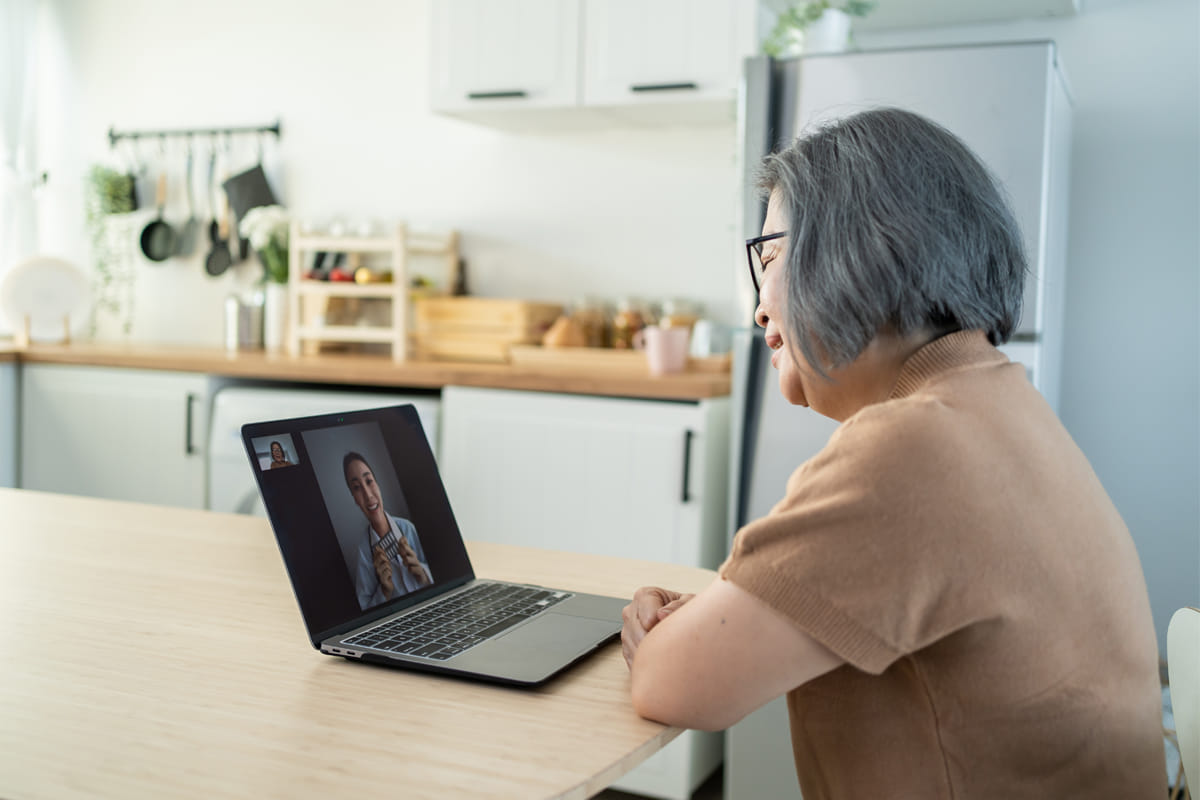
Technology cannot replace sitting beside someone you love, yet it can still create meaningful moments of connection. Video calls, shared photo albums, voice messages, and group chats can help long-distance caregivers stay emotionally close, especially when travel is limited. These tools can also help family members participate in conversations, hear their loved one’s voice, and share memories in real time. The goal is not to make caregiving feel digital, but to use technology in a way that keeps relationships warm and personal.
Caregivers should keep technology simple, especially if the patient is tired, overwhelmed, or uncomfortable with complicated devices. A short video call may be more meaningful than a long conversation that exhausts the patient. A recorded message from grandchildren, a favorite prayer, or a familiar song may provide comfort even when the patient does not have the energy to talk much. Long-distance connection works best when it follows the patient’s needs rather than forcing a schedule that feels stressful.
Planning Visits with Purpose and Flexibility
When long-distance caregivers travel to Santa Fe, visits can carry a lot of emotional weight. Family members may feel pressure to handle every conversation, solve every issue, and make the visit feel perfect, especially if time is limited. A more helpful approach is to plan with purpose while leaving room for rest, quiet, and unexpected changes. Hospice care often reminds families that presence matters more than perfection.
Before traveling, it can help to ask the hospice team or local caregiver what would be most useful during the visit. Some families need help with practical tasks, while others need time for important conversations, spiritual support, or simply sitting together. The patient may have more energy during certain parts of the day, and planning around those rhythms can make the visit more comfortable. Flexibility is important because health can change quickly, and a meaningful visit may look different than expected.
How Can Families Make Decisions When Everyone Is Not Nearby?
Decision-making can be one of the hardest parts of long-distance caregiving, especially when family members live in different places and process information differently. Some relatives may want frequent updates, while others may need more time before they can talk about hospice, comfort care, or end-of-life wishes. Clear roles can help reduce conflict, particularly when the patient has named a healthcare decision-maker or when legal documents guide who should speak on the patient’s behalf. When everyone understands the structure, conversations can focus more on the patient’s needs and less on family tension.
Hospice teams can help families talk through care goals in a calm and compassionate way. These conversations may include comfort needs, symptom changes, emotional concerns, spiritual preferences, and the patient’s wishes about where and how they receive care. Long-distance caregivers can prepare by writing down questions before calls, listening closely to updates, and making sure decisions reflect the patient’s values rather than fear or guilt. The best decisions usually come from clarity, compassion, and a shared commitment to honoring the person receiving care.
Supporting the Primary Caregiver from a Distance
Many long-distance caregivers are not the only caregivers in the family. Often, one person in Santa Fe or nearby becomes the primary caregiver, handling daily responsibilities while others contribute from farther away. That person may appreciate emotional support, practical backup, and relief from feeling like every detail rests on their shoulders. Long-distance family members can help by checking in regularly, asking what would lighten the load, and avoiding criticism when they are not present for the daily demands.
Support can also include managing family communication so the primary caregiver does not have to repeat the same update many times. A long-distance caregiver might send weekly family summaries, coordinate meal deliveries, organize travel schedules, or help with paperwork. These responsibilities can free the local caregiver to spend more peaceful time with the patient. Caregiving works best when family members treat one another with patience, because everyone is usually carrying more emotion than they can easily explain.
The Spiritual and Emotional Side of Hospice Support
Santa Fe has a rich sense of culture, faith, family tradition, and personal history, and those elements often become especially meaningful during hospice care. Long-distance caregivers may want to honor spiritual practices, cultural preferences, favorite music, family stories, or rituals that bring comfort to their loved one. Hospice support can include emotional and spiritual care that respects what matters to the patient and family. This kind of support can help distant relatives feel connected to something deeper than logistics alone.
Emotional care also matters for caregivers who are far away. They may need space to talk through anticipatory grief, family stress, unresolved conversations, or the sadness of missing ordinary moments. Hospice support can help caregivers understand that grief often begins before a loss, and that these feelings deserve attention rather than silence. When caregivers feel emotionally supported, they are often better able to show up with patience, tenderness, and steadiness.
Keeping the Patient’s Voice at the Center
Long-distance caregiving can become complicated when many people care deeply and each person has a different opinion. The most grounding question is usually simple: what does the patient want, value, or need right now? When families keep returning to that question, decisions become less about control and more about care. Hospice teams can help families stay centered on comfort, dignity, and quality of life, even when emotions run high.
The patient’s voice may be expressed through direct conversation, past wishes, written documents, faith commitments, or long-held values. Some patients want quiet, some want visitors, some want familiar routines, and others want help resolving practical matters. Long-distance caregivers can honor those wishes by asking respectful questions and trusting the care team’s observations when they cannot be there in person. Keeping the patient’s preferences at the center helps families feel more united, even when distance makes the situation harder.
Anvoi Hospice Supports Families near and Far
Anvoi Hospice understands that caregiving does not stop at city limits. Families in Santa Fe, NM, may be supported by loved ones in Albuquerque, Las Cruces, Denver, Phoenix, Dallas, Chicago, or anywhere else life has taken them. Distance changes the way caregiving looks, but it does not lessen the love behind it. With compassionate communication, coordinated care, and thoughtful guidance, long-distance caregivers can remain involved in ways that truly matter.
Choosing hospice care can feel like a major step, especially when family members are not all in the same place. Anvoi Hospice helps families understand the process, ask important questions, and feel supported as they care for someone they love. For long-distance caregivers, that support can bring peace of mind, practical direction, and a stronger sense of connection during a deeply meaningful time. When your loved one in Santa Fe needs hospice care, Anvoi Hospice is here to help your family stay informed, supported, and close at heart, no matter how many miles are between you.
Our Locations
Areas We Serve



Anvoi has been providing hospice care since 2013 with over 100 years of accumulated experience.