CLICK HERE FOR 2026 GRIEF SUPPORT GATHERINGS
In-Person Grief Support Meetings
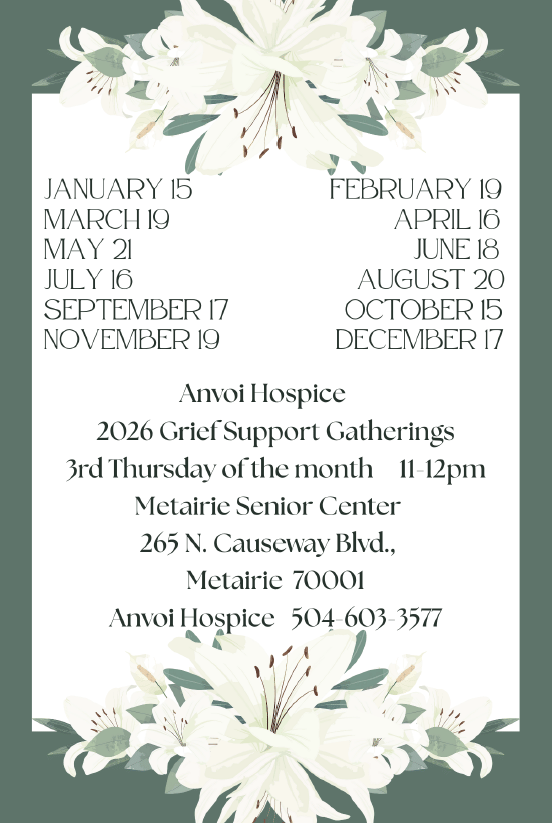
(available in Louisiana only).

What is Hospice?
Understanding hospice begins with compassion. Hospice is a type of specialized medical care designed for people who are nearing the end of life. It focuses less on curing illness and more on comfort, dignity, and quality of life. While the word “hospice” can sound intimidating, its purpose is deeply human: to help individuals live their final months surrounded by support, peace, and care that feels personal.
Unlike traditional medical treatment, hospice care shifts the focus from aggressive medical interventions to comfort-based care. Instead of attempting to extend life through invasive procedures or hospital stays, hospice prioritizes symptom control, emotional wellbeing, and spiritual peace. This approach empowers patients to spend their time in familiar surroundings, often at home, with the people they love most.
Hospice also differs from palliative care, though the two are closely related. Palliative care can be provided at any stage of an illness, while hospice is specifically for those with a life expectancy of six months or less if the disease follows its natural course. Hospice is not about giving up; it’s about choosing how to spend the time that remains meaningfully.

The Philosophy Behind Hospice
The heart of hospice is built on a simple truth: every person deserves dignity and comfort at the end of life. Rather than focusing on what can no longer be fixed, hospice helps families focus on what still matters: time together, relief from pain, and emotional closure.
This philosophy dates back to ancient traditions of caring for travelers and the sick, evolving into the modern hospice movement that began in the 20th century. Today, hospice programs like Anvoi Hospice carry forward that legacy, offering a balance of clinical skill and human compassion.
What Services Does Hospice Provide?
Hospice care is more comprehensive than most people realize. Services typically include:
- Medical management to control symptoms like pain, shortness of breath, or nausea.
- Nursing care provided by licensed professionals trained in end-of-life support.
- Emotional and spiritual counseling for patients and families coping with loss and transition.
- Personal care assistance such as bathing, dressing, and medication reminders.
- Respite care to give family caregivers temporary rest.
An interdisciplinary team coordinates these services to ensure that every aspect of care aligns with the patient’s comfort and goals. The result is a deeply personal care experience that meets both physical and emotional needs.
Who Makes Up the Hospice Care Team?
Hospice care thrives on teamwork. The people who serve within a hospice program each bring specialized skills, but they share a single mission: to care for the patient holistically.
The hospice team usually includes doctors, nurses, aides, social workers, chaplains, volunteers, and grief counselors. Each member plays a specific role. Nurses manage pain and medications, social workers guide families through practical decisions, and chaplains offer emotional and spiritual comfort regardless of faith background. Volunteers often provide companionship, helping ease loneliness through simple acts of presence.
Together, this network forms a safety net of compassion that extends beyond medical treatment, offering comfort in both seen and unseen ways.

When Should Hospice Be Considered?
Recognizing when to start hospice is one of the most difficult decisions a family can face. It’s natural to want to hold on to treatment and hope for more time. However, hospice often provides the greatest benefit when it begins early enough for patients to experience its full range of support.
Doctors typically recommend hospice when a patient’s illness is no longer responding to curative treatments or when symptoms become increasingly difficult to manage. For many families, hospice becomes the bridge between overwhelming medical care and peaceful living, even in the face of decline.
Early enrollment allows patients to build meaningful relationships with their care team and to make the most of every day. Rather than signaling the end, it can mark the beginning of a gentler, more supported stage of care.
Where Can Hospice Care Take Place?
Hospice care isn’t limited to hospitals; it can happen in a wide variety of settings depending on a patient’s needs and preferences. Many people choose to receive hospice care at home, where familiar surroundings provide comfort and familiarity. Others may opt for hospice services in nursing homes, assisted living facilities, or dedicated hospice centers.
Anvoi Hospice, like many hospice providers, adapts care plans to fit each patient’s living situation. The goal remains constant: to ensure that comfort and dignity follow the patient wherever they are.
What Does Hospice Cost?
One of the most common concerns families have about hospice is cost. Fortunately, hospice care is covered by Medicare, Medicaid, and most private insurance plans. Coverage typically includes medical care, medication, equipment, and supplies related to the terminal illness.
Because of this coverage, families can focus on what matters most, spending time together, without worrying about financial strain. The goal is to make care accessible and equitable for everyone who needs it, regardless of income level.
What Role Do Families Play in Hospice Care?
Families are not bystanders in hospice; they are partners. The care team provides medical and emotional support, but families remain central to decision-making and daily care. Hospice professionals teach families how to assist with comfort measures, manage medications, and cope with the emotional weight of caregiving.
Many family members describe hospice as a transformative experience. With guidance and reassurance from the hospice team, they often feel more confident and less alone. For caregivers, hospice becomes not just a service but a source of strength.
Is Hospice the Same as Giving Up?
No, hospice is not giving up. It’s about reframing what “fighting” means. Instead of fighting the disease, hospice helps patients fight for comfort, meaning, and quality of life. Choosing hospice is an act of courage and love, not surrender.
Hospice allows individuals to decide how they wish to live their remaining time, free from unnecessary procedures or hospitalizations. It emphasizes autonomy and control, helping people focus on relationships and personal peace rather than medical struggle.
What Happens After Someone Enters Hospice?
Once hospice begins, the care plan is tailored to the patient’s specific physical and emotional needs. The hospice nurse coordinates care among the team, ensuring that the patient’s pain is well-managed and that their wishes are respected. Regular visits provide consistency, and 24-hour on-call support means help is always available.
Over time, hospice becomes a rhythm of care that adapts as the patient’s condition changes. As needs evolve, so does the support whether that means adjusting medications, increasing visits, or providing more emotional counseling for the family.
How Does Hospice Support Emotional and Spiritual Needs?
End-of-life care is as much about the spirit as it is about the body. Hospice teams recognize that patients often face deep emotional questions such as those about meaning, purpose, and legacy.
Chaplains and counselors are available to provide guidance, prayer, or simply a listening ear. Their support isn’t limited by religion; it’s shaped by compassion. Families also receive counseling to help process anticipatory grief and prepare for the transition ahead. Through this holistic approach, hospice honors every aspect of the human experience, mind, body, and soul.
What Happens After a Loved One Passes Away?
Hospice care doesn’t end at the moment of death. It continues through bereavement support. Families are often offered grief counseling, memorial services, and follow-up check-ins during the months that follow a loss.
This aftercare reflects hospice’s commitment to healing the whole family. Grieving is not a process that fits into neat timelines, and hospice understands that emotional support must extend beyond the patient’s final days. Anvoi Hospice, for instance, provides compassionate resources to help families navigate life after loss with understanding and care.
Can Patients Leave Hospice Care?
Yes, hospice care is voluntary. A patient may leave hospice at any time if they decide to pursue curative treatments again or if their condition improves unexpectedly. Some people even “graduate” from hospice when their health stabilizes.
This flexibility allows patients to maintain control over their care. Hospice exists to serve the patient’s goals, never to limit them. The decision to enter, continue, or withdraw from hospice always remains with the individual and their family.
Choosing Anvoi for Hospice Care
Selecting a hospice provider is one of the most meaningful decisions a family can make. Anvoi Hospice stands apart through its commitment to comfort, respect, and human connection. Our team takes the time to learn each patient’s story, tailoring care to reflect their personality, preferences, and values. Whether care happens at home or in a facility, Anvoi ensures that every moment is met with expertise and compassion. With 24-hour support, full interdisciplinary teams, and bereavement resources, families can feel secure knowing that their loved one is receiving care from people who truly understand what matters most.
If you or someone you love is considering hospice, reach out to Anvoi Hospice today. Together, we can create a care plan that honors the life that has been lived and provides peace in the days ahead.
Our Locations
Areas We Serve




Anvoi has been providing hospice care since 2013 with over 100 years of accumulated experience.