CLICK HERE FOR 2026 GRIEF SUPPORT GATHERINGS
In-Person Grief Support Meetings
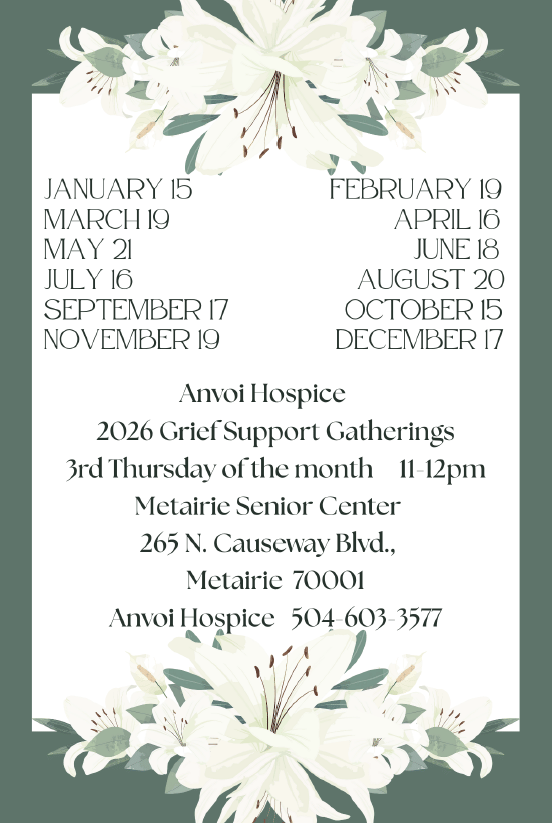
(available in Louisiana only).

Hospice For Veterans
Veterans carry experiences that shape how they view health, family, and the end of life. Hospice for veterans makes space for these realities with care that respects service, honors sacrifice, and eases symptoms at home or in a care facility. Military service can leave lasting physical and emotional effects, and those impacts are often shared by the families who provide daily care and support.
Anvoi Hospice provides hospice care for veterans and their families that blends clinical skill with an understanding of military culture and values. We support spouses, adult children, and caregivers with practical help, clear guidance, and a team that shows up when it counts. Serving families across Mississippi and New Mexico, our approach focuses on easing the pressures caregivers face while delivering compassionate, high-quality hospice care that honors the veteran and supports the people who stand beside them.



How Anvoi Honors Veterans Through Hospice Care
Veteran-Focused Assessment and Care Planning
When a veteran is admitted to Anvoi’s hospice for veterans, the care team takes time to understand the veteran’s service history alongside medical records.
These details allow the team to design a hospice care plan that accounts for their personal experiences.
CARE CONSIDERATIONS:
PTSD Triggers
PTSD symptoms and potential triggers, such as specific sounds, touch, or certain times of day.
Service Exposures
Possible links between service exposures and current illnesses.
Coexisting Conditions
Coexisting conditions such as dementia, depression, or substance use that can complicate symptom management.
Personal Preferences
Personal preferences related to uniforms, flags, military memorabilia, or conversations about service.
What Our Hospice for Veterans Includes
Comfort is our first priority. Nurses and physicians set a plan to manage pain, shortness of breath, anxiety, nausea, constipation, and insomnia. Medications are reviewed for safety and effectiveness, and equipment like hospital beds, oxygen, and mobility aids are arranged when needed to make home safer and more comfortable.
Triggers can appear late in life: fireworks, loud noises, nighttime confusion, or certain conversations, all of which may lead to distress. Team members use calm routines, grounding techniques, and simple language to reduce anxiety. Visit timing, touch, and positioning are handled with consent and sensitivity. Family education helps everyone respond in the same supportive way.
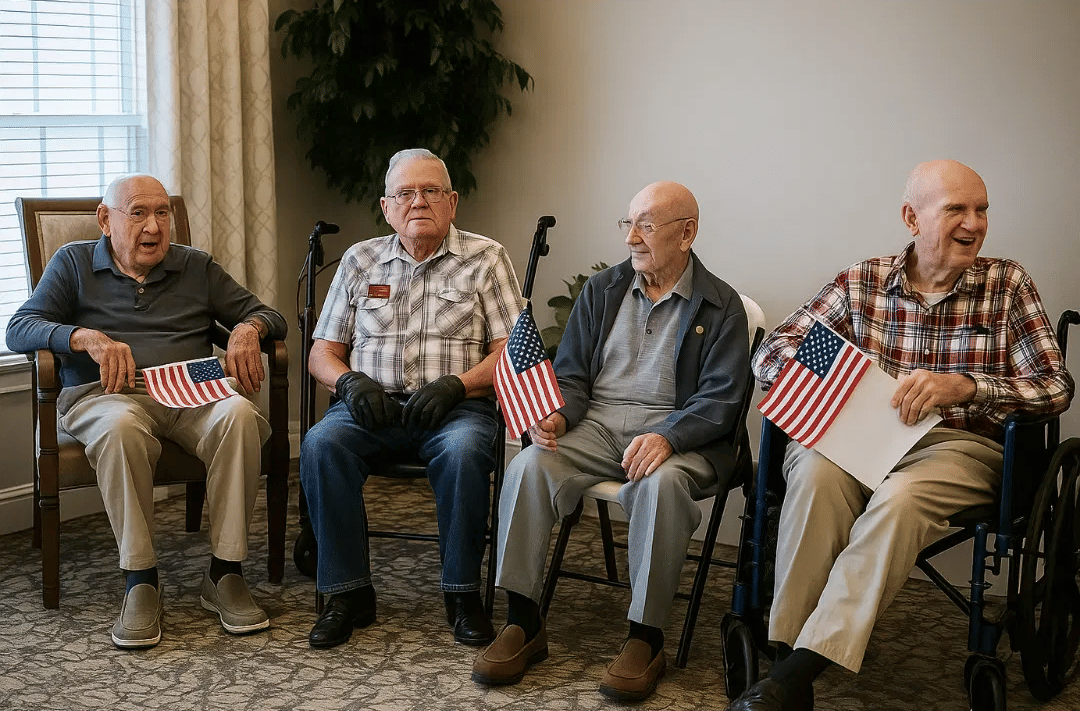
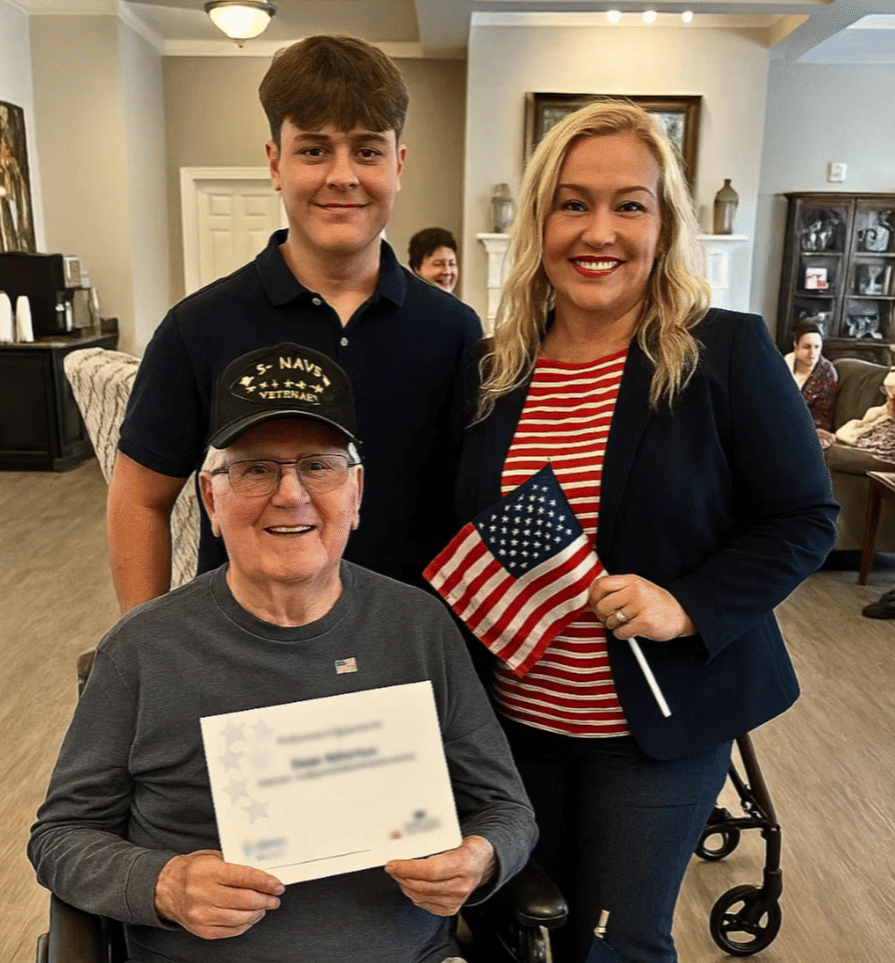
Many veterans feel most understood by those who also served. Trained volunteers who are veterans can visit for conversation, life review, or recognition ceremonies. Pinning events and moments of honor help families acknowledge service with pride.
Some veterans wrestle with moral injury or unanswered questions about past events. Chaplains and counselors offer nonjudgmental support shaped by each person’s beliefs. Life review and legacy projects help capture stories, photos, and letters for loved ones.
Questions and symptoms do not wait for business hours. A nurse is available by phone at any time, day or night.
Families learn what to expect and how to help. Topics include safe medication use, transfers, skin care, nutrition, preventing falls, and what to do in common symptom changes. Clear steps reduce fear and improve confidence.
Caregivers need rest to keep going. Temporary relief options can be arranged so a spouse, partner, or adult child can recharge while the veteran remains safe and supported.
Who Qualifies and When to Start
Hospice is designed for people with a life expectancy of six months or less if the illness follows its usual course; a physician must certify eligibility. Many families wait too long and miss months of helpful support. Earlier enrollment often leads to better comfort, fewer crises, and more time at home. A free evaluation can confirm if hospice is appropriate now or if another level of care would fit better. Additionally, goals are reviewed regularly, and care can be changed if conditions improve or preferences shift.

Conditions We Commonly Support
Veterans come to hospice with a wide range of diagnoses. Common conditions include cancer, congestive heart failure, COPD, pulmonary fibrosis, kidney failure, liver disease, ALS, Parkinson’s disease, dementia including Alzheimer’s, and complications after stroke. Many also live with diabetes, chronic pain, or wounds that require careful daily attention. Care plans are tailored to match the condition, the stage of illness, and the veteran’s goals for comfort and dignity.

When Should You Consider Hospice for a Veteran?
Families often wait longer than they need to before exploring hospice care. For veterans, this can be especially true, since many are used to “toughing it out” and may be reluctant to ask for support. Hospice for veterans can be appropriate when:
-
A serious illness is no longer responding to curative treatment, or treatment goals are shifting from cure to comfort.
-
The veteran experiences frequent hospitalizations, emergency room visits, or worsening symptoms.
-
Daily tasks such as bathing, dressing, or walking become increasingly difficult.
-
Pain, shortness of breath, anxiety, or confusion are interfering with rest and quality of life.
-
The veteran or family expresses a desire to focus on comfort, time together, and meaningful moments instead of aggressive interventions.
Hospice does not mean giving up hope. It means changing the focus of care so that hope centers on comfort, connection, and dignity. Anvoi’s team can explain how hospice works alongside existing VA benefits and what steps are needed to begin services.
What to Expect With Anvoi's Veteran Hospice Care
Families often feel nervous making the first phone call, unsure of what questions to ask or what will happen next. Knowing what to expect can make that first step feel clearer and less overwhelming. A referral can come from a hospital, clinic, VA provider, or directly from a family. One phone call begins the process. A nurse meets the veteran and caregivers to learn goals, review medications, check the home environment, and explain services. Consent forms are simple and reviewed step by step. Most families receive their first supplies and a care plan within a short time frame. Communication stays open from the first day forward.
Speak With a Hospice Professional
A team member listens to your situation, answers questions about hospice for veterans, and gathers basic information about the veteran’s medical condition and service history.
Schedule an Evaluation
With your permission, Anvoi arranges a visit to assess the veteran’s needs, explain hospice services in more detail, and confirm eligibility.
Build a Veteran-Focused Plan of Care
If hospice is appropriate, the team develops a plan that includes medical care, emotional and spiritual support, veteran recognition activities, and coordination with VA as needed.
Begin Services and Ongoing Support
Hospice services begin wherever the veteran lives, with regular visits, 24/7 on-call support, and ongoing communication with the family about changes, needs, and wishes.
Comprehensive In-Home Support
Medication and Equipment Coverage
Hospice usually covers medications related to the terminal diagnosis as well as supplies and equipment that support comfort. Examples include pain medicines, oxygen, walkers, wheelchairs, hospital beds, incontinence supplies, and wound care products. The team explains what is included and how deliveries work, and clear labeling and simple dosing schedules reduce errors and keep care on track.
Home Safety and Fall Prevention Protocols
Small improvements can prevent falls and reduce stress, and these include safety check looks at lighting, thresholds, loose rugs, and bathroom setups. Caregivers get tips on safe transfers, bed positioning, and pressure sore prevention. Our team works with families to prepare to fit equipment into the home without disrupting daily life.
Communication With Other Providers
Many veterans see multiple clinicians, and that’s why skilled military veteran hospice coordinates with primary care providers, specialists, VA clinics, and facility staff to keep everyone aligned. Updates are shared to avoid conflicting advice. Medication lists are reconciled to prevent interactions so that families always know who to call first when questions arise
Our Promise to Veterans and Families: Dignity and respect guide every visit. Care plans are clear, costs are explained, and questions are answered in plain language. Staff arrive on time, listen carefully, and follow through. Comfort is measured and tracked so adjustments happen quickly. Families are never left to figure things out alone.

Navigating VA and Medicare Benefits
Veterans can receive hospice through the Medicare Hospice Benefit if eligible, and many veterans also qualify through VA resources. Coverage details vary based on service history and health needs.
Social workers help families understand options, coordinate with VA representatives when appropriate, and reduce paperwork stress. Plans are designed to prevent duplicate services and to keep care simple. Guidance is practical and focused on timelines, costs, and what is included.
Support for Veterans and Their Families
Hospice care for veterans must address more than medical symptoms. Military service can shape health, identity, and family dynamics in lasting ways, especially when PTSD, combat injuries, toxic exposures, or complex medical histories are involved. Anvoi’s team understands these realities and provides care that feels respectful, informed, and personalized.
Family caregivers often carry significant responsibility. We provide clear care plans, guidance on VA and Medicare benefits when appropriate, and steady communication so loved ones can make confident decisions. Support also includes respite services, emotional care from social workers and chaplains familiar with military culture, and practical coaching for managing symptoms at home.
Every family situation is different, and our team adapts as needs change. This approach helps reduce stress, strengthen stability, and ensure both the veteran and their loved ones feel supported throughout the hospice journey.
Coordinating Care with VA Medical Centers
Many veterans receiving hospice care with Anvoi are also connected to the Department of Veterans Affairs through benefits or existing medical teams. Anvoi is not part of the VA system, yet with permission from the veteran or legal decision maker, the hospice team can communicate with VA clinicians and social workers to help keep care aligned.
Families often appreciate that Anvoi can coordinate information with nearby VA medical centers such as:
- Southeast Louisiana Veterans Health Care System in the New Orleans area.
- G. V. (Sonny) Montgomery VA Medical Center in Jackson, Mississippi.
- Gulf Coast Veterans Health Care System facilities serving the Biloxi and Gulfport region.
- Raymond G. Murphy VA Medical Center in Albuquerque, New Mexico.
Depending on location and eligibility, veterans may be able to use VA benefits for certain aspects of care while receiving hospice through Anvoi. The team can help families understand how hospice for VA patients works in practice, including benefit questions that may feel overwhelming to handle alone.
Frequently Asked Questions
Hospice focuses on comfort rather than cure. Treatments that ease symptoms or improve quality of life can continue. Decisions are made together with the veteran and family.
Primary care providers can remain part of the care team. Hospice physicians collaborate and provide guidance on comfort-focused treatments.
Most medicines related to the life-limiting illness are covered by hospice. The team explains which drugs are included and how to handle refills.
A nurse is on call at all times. Phone support and urgent visits help manage symptoms and prevent unnecessary emergency room trips.
Yes. Discharge can occur if the condition stabilizes or improves. People can return to hospice later if they qualify again.
Certified nursing assistants visit on a schedule to help with bathing, grooming, and comfort. Frequency is based on need and the plan of care.
Bereavement services continue for more than a year after a death. Support is tailored to each family’s needs.
Where We Provide Veteran Hospice Care
Anvoi provides hospice care for veterans throughout Mississippi and New Mexico, with a strong presence in Gulf Coast communities and surrounding regions. Services are available in a variety of settings, including private homes, assisted living, skilled nursing facilities, and other long-term care locations.
In Mississippi, Anvoi serves veterans in Gulf Coast communities, including the Ocean Springs and Gulfport area. In New Mexico, Anvoi provides hospice for veterans in Albuquerque, Santa Fe, Taos, Raton, Alamogordo, and Las Vegas. Across these regions, the care model stays consistent while still reflecting the values, traditions, and community identity that make each location unique.

Choose Anvoi Hospice for Care that Honors Veterans
Choosing hospice care for a veteran can feel like a monumental decision, especially when family members carry the emotional weight of ensuring their loved one receives dignified, meaningful care. Anvoi Hospice stands beside families throughout Mississippi and New Mexico to offer expertise, comfort, and a steady hand through every stage of the journey. Families are encouraged to reach out to our team to discuss care options, ask questions, or begin the intake process. Anvoi is here to support the veteran and the people who love them, helping your family move forward with clarity and confidence.
Our Locations
Areas We Serve



Anvoi has been providing hospice care since 2013 with over 100 years of accumulated experience.